

Here is a comprehensive, “pillar content” version of your post.
This draft is designed to be an authoritative resource for your website. It expands significantly on your original points, adding scientific context, detailed breakdowns of the consequences, and actionable solutions, while maintaining a readable structure.
The Silent Crisis: A Comprehensive Guide to Understanding and Fighting Pollution
Pollution is arguably the defining environmental challenge of the Anthropocene era. It is an invisible enemy that respects no borders, infiltrating the air we breathe, the water we drink, and the soil that grows our food.
While the term “pollution” is often tossed around in casual conversation, its reality is complex. It refers to the introduction of harmful substances—contaminants—into the natural environment that cause adverse changes. These changes destabilize ecosystems, threaten biodiversity, and pose a severe, direct threat to human health.
To solve this crisis, we must first understand it in all its forms. This guide explores the four major types of pollution, their far-reaching consequences, and the roadmap to a cleaner future.
1. Air Pollution: The Invisible Killer
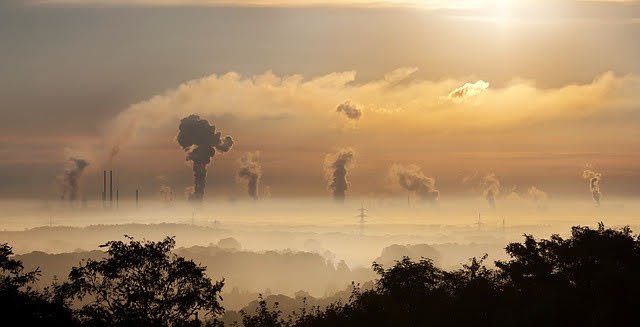
Air pollution is the most pervasive form of environmental contamination. According to the World Health Organization (WHO), 99% of the global population breathes air that exceeds air quality limits.
The Culprits
Air pollution is primarily driven by the burning of fossil fuels. The major sources include:
Mobile Sources: Cars, buses, planes, and trucks emit high levels of Carbon Monoxide (CO) and Nitrogen Oxides (NOx).
Stationary Sources: Power plants, oil refineries, and factories release Sulfur Dioxide (SO2), a primary contributor to acid rain.
Particulate Matter (PM): This is the most dangerous aspect. PM2.5 and PM10 are microscopic particles (soot, dust, smoke) that are small enough to penetrate deep into the lungs and enter the bloodstream.
The Consequence
The health impacts are staggering. Long-term exposure to polluted air is linked to heart disease, stroke, lung cancer, and acute respiratory infections in children. Beyond human health, air pollution contributes to Global Warming via the greenhouse effect, creating a feedback loop that worsens climate change.
2. Water Pollution: Choking the Lifeblood of Earth
Water covers 70% of our planet, yet our usable freshwater supply is under constant siege. Water pollution occurs when toxic substances enter water bodies such as lakes, rivers, and oceans, getting dissolved in them or lying suspended in the water.
Key Sources of Contamination
Agricultural Runoff: This is a leading cause of water degradation. Fertilizers rich in nitrogen and phosphorus wash into waterways, causing eutrophication—an explosion of algae that depletes oxygen in the water, creating “dead zones” where aquatic life cannot survive.
Industrial Waste: Many facilities discharge chemical solvents, heavy metals, and sludge directly into water sources.
Marine Dumping & Microplastics: From oil spills to the millions of tons of single-use plastics entering the ocean annually, physical debris is choking marine ecosystems.
The Ripple Effect
Water pollution doesn’t just kill fish; it destroys food chains. When small organisms consume toxins, those toxins accumulate. By the time they reach the top of the food chain (humans eating seafood), the toxicity levels can be dangerously high. Furthermore, contaminated water sources lead to the spread of diseases like cholera and typhoid in vulnerable populations.
3. Soil Pollution: The Poison Beneath Our Feet
Soil pollution is often the “forgotten” pollution because it is not always visible to the naked eye. It refers to the presence of toxic chemicals (pollutants or contaminants) in soil, in high enough concentrations to pose a risk to human health and/or the ecosystem.
How Soil Becomes Toxic
Improper Waste Disposal: Landfills that are not properly sealed allow hazardous chemicals to leach into the ground.
Industrial Activity: Mining, manufacturing, and the dumping of industrial byproducts introduce heavy metals like lead, mercury, and arsenic into the earth.
Agrochemicals: The excessive use of pesticides, herbicides, and insecticides settles in the soil, stripping it of its natural nutrients and microbiome.
The Food Security Threat
Soil pollution is a direct threat to food security. Crops grown in polluted soil absorb these toxins. This leads to bioaccumulation, where we ingest the dangerous chemicals present in the vegetables and grains we eat. Additionally, polluted soil loses its fertility, leading to lower crop yields and desertification.
4. Noise Pollution: The Stressor of Modern Life
While it leaves no physical residue like trash or smog, noise pollution is a serious environmental hazard. It is defined as regular exposure to elevated sound levels that may lead to adverse effects in humans or other living organisms.
Sources of the Sound
Urbanization: Construction sites, busy traffic, and public transportation systems create a constant “hum” of chaos in cities.
Industrial: Factory machinery and power generators contribute to high-decibel environments.
The Psychological and Physiological Cost
In humans, chronic noise exposure is linked to stress, high blood pressure, sleep disturbances, and hearing loss. However, the impact on wildlife is equally devastating. Many animals—especially marine life like whales and dolphins, as well as bats and birds—rely on sound for navigation, hunting, and mating. Noise pollution disrupts these biological sonar systems, leading to confusion, stranding, and population decline.
The Economic and Ecological Price Tag
The cost of pollution is not just measured in health, but in dollars and biodiversity.
Loss of Biodiversity: We are currently in a mass extinction event, driven partly by the degradation of natural habitats due to pollution.
Economic Burden: The World Bank estimates that pollution costs the global economy trillions of dollars annually. This includes the cost of healthcare for pollution-related diseases, the cost of environmental remediation (cleaning up oil spills or Superfund sites), and the loss of productivity due to illness.
The Path Forward: A Collective Responsibility
Addressing pollution requires a multi-tiered approach. There is no single silver bullet; we need a shift in policy, corporate behavior, and individual mindset.
1. Government & Policy
Governments must move beyond suggestions and enforce strict regulations. This includes:
Carbon Taxes: Putting a price on emissions to discourage fossil fuel use.
Incentives: Subsidizing renewable energy (solar, wind) and green technologies.
International Cooperation: Pollution crosses borders. Treaties like the Paris Agreement are vital for setting global standards.
2. Corporate Responsibility
Businesses must transition from a “take-make-dispose” model to a Circular Economy, where waste is designed out of the system. This means investing in sustainable supply chains and taking responsibility for the full lifecycle of their products.
3. Individual Action
Never underestimate the power of personal choice.
Reduce Energy Consumption: Switch to LED bulbs, unplug devices, and lower heating/cooling use.
Transport: Use public transit, carpool, bike, or switch to electric vehicles to lower your carbon footprint.
Vote with Your Wallet: Support companies that prioritize sustainability and boycott those that pollute.
The 5 R’s: Refuse, Reduce, Reuse, Repurpose, and then—only as a last resort—Recycle.
Conclusion
Pollution is a human-made problem, which means it can have a human-led solution. The damage we have done to our air, water, and soil is significant, but it is not yet irreversible.
By understanding the depth of the issue and advocating for systemic change while making conscious choices in our daily lives, we can protect the health of our planet—and ourselves—for generations to come.
Leave a Reply