
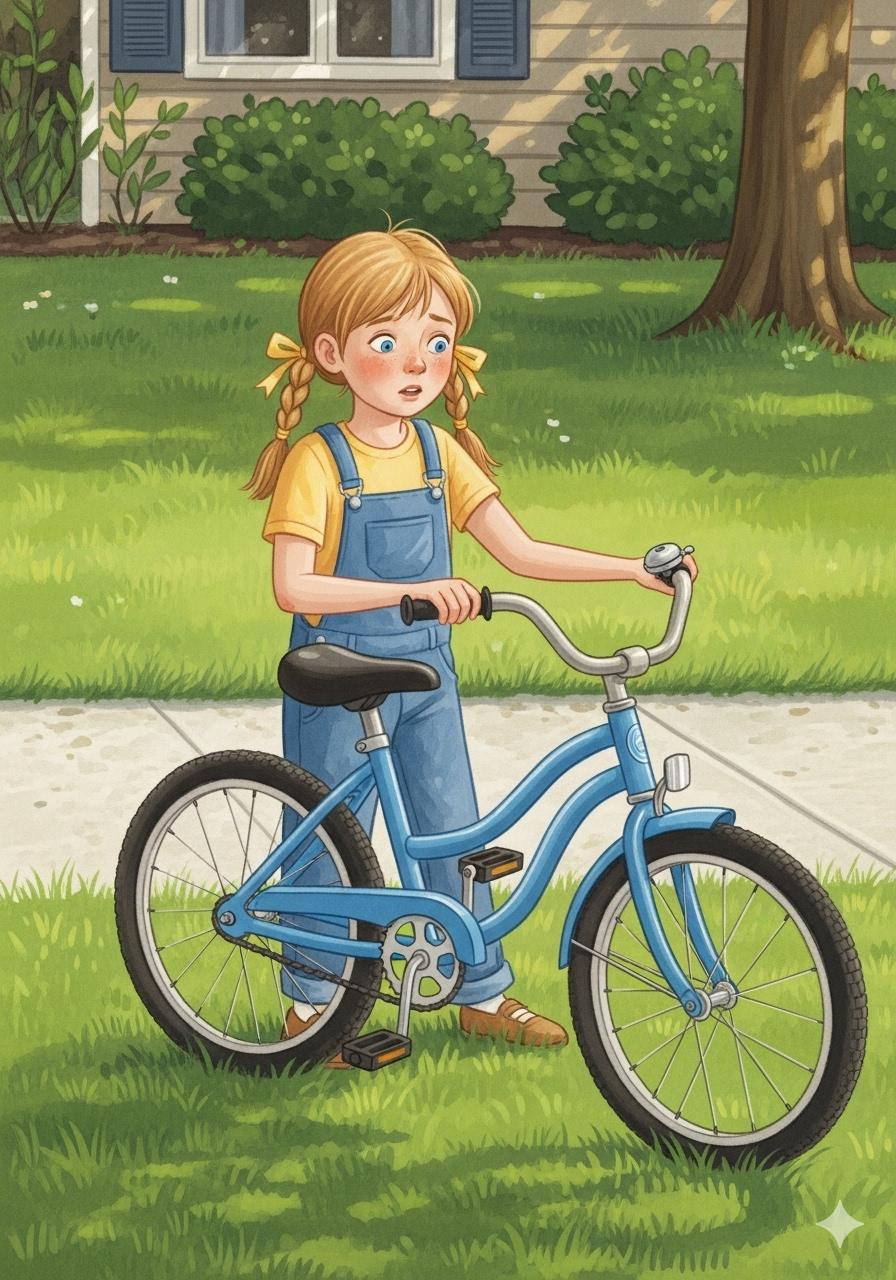
The Wobbly, Wonderful Ride: A story about confidence
A short, inspiring kids story about Elara learning to ride her bike with her dad’s help — showing that falling down is part of learning and courage always leads to success.
By Aman


A 4-month old baby is a precious little bundle of joy that brings so much love and happiness into our lives. It’s amazing to see how much they grow and develop in such a short period of time. From their first smile to their first attempts at crawling, every milestone is a cause for celebration. These 4-month-old baby quotes capture the beauty and wonder of this special time. They express the love, pride, and gratitude that parents feel toward their little ones. Each of the following quotes is a reminder of how lucky we are to have these precious angels in our lives and how much they enrich our world with their innocence and joy.
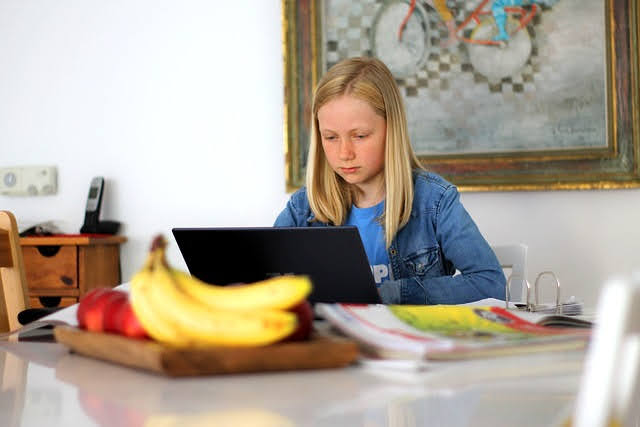
Homeschooling has moved from the fringes to the mainstream in recent years. For many, it represents freedom and safety; for others, it seems like an overwhelming impossibility.
If you are standing at the crossroads of your child’s education, the decision can feel heavy. To help you make an informed choice, let’s dive deep into the real benefits and the significant challenges of home education.
1. Unmatched Flexibility The rigid 8-to-3 schedule doesn’t exist here. Homeschooling allows you to tailor the pace to your child. Does your child breeze through math but struggle with reading? You can adjust instantly. It also frees up the calendar for travel, hobbies, and real-world learning.
2. One-on-One Mastery In a classroom of 30, a child can easily get lost in the shuffle. At home, your child receives 100% of the “teacher’s” attention. This allows for mastery-based learning—moving on only when the concept is truly understood, not just when the bell rings.
3. A Safe, Nurturing Environment For many families, the primary driver is safety. Homeschooling removes the immediate threat of school bullying, peer pressure, and negative social anxieties, allowing children to learn in a space where they feel emotionally secure.
4. Customized Values and Curriculum You are the architect of your child’s worldview. Whether you want a curriculum that aligns with specific religious beliefs, or one that focuses heavily on STEM or the arts, you have the freedom to choose materials that reflect your family’s values.
1. The Socialization Question This is the most common debate in homeschooling. Without the built-in social network of a classroom, parents must be proactive. While homeschool co-ops and sports teams exist, it requires extra effort to ensure your child learns to navigate diverse social dynamics and conflict resolution.
2. The “Parent-Teacher” Burnout Homeschooling is a full-time job. The line between “mom/dad” and “teacher” often blurs, leading to potential isolation for the parent. You may find yourself missing adult interaction and struggling to manage household chores alongside lesson plans.
3. Financial Implications There is often a double cost to homeschooling: the direct cost of curriculum (which can be expensive) and the potential loss of a second income, as one parent usually needs to stay home to facilitate learning.
4. The “Am I Qualified?” Fear Many parents worry they aren’t “expert” enough to teach algebra or chemistry. While teacher’s guides help, the pressure to provide a high-quality education without formal training can be a heavy psychological burden.
There is no single “right” way to educate a child. While homeschooling offers incredible freedom and family bonding, it demands a significant investment of time, patience, and money.
The best decision isn’t about what is popular; it is about what works for your specific family dynamic and your child’s unique personality.

Parenting is a rewarding journey, but it comes with its fair share of turbulence. Dealing with behavior issues is one of the biggest challenges parents face, yet these moments are often disguised opportunities to teach emotional regulation and healthy boundaries.
While every child is unique, there are proven strategies to help navigate the storm. Here is how to handle five of the most common behavioral challenges.
The storm before the calm.
Maintain Your Cool: The most important step is to stay calm. Avoid entering the chaos or starting an argument.
Connect, Don’t Correct: Offer comfort and support. Sometimes a hug is more effective than a lecture.
The Art of Distraction: Gently pivot their attention to a different activity, toy, or change of scenery.
Ignore the Behavior, Not the Child: It is okay to ignore the theatrics of the tantrum, but ensure you remain present so the child feels safe.
Label the Feeling: Once the dust settles, help them identify what they felt (e.g., “You were really frustrated that the tower fell”).
When “No” becomes their favorite word.
Set Clear Boundaries: Be consistent with rules and the consequences for breaking them. Uncertainty breeds testing.
Drop the Power Struggle: Instead of fighting for control, focus on finding a solution together.
Catch Them Being Good: Offer positive reinforcement when they do listen or cooperate.
Offer Autonomy: Give them choices (e.g., “Do you want to wear the red shoes or the blue shoes?”). Independence often reduces defiance.
Navigating social aggression.
Teach Empathy: regularly discuss how words and actions impact others to build emotional intelligence.
Empower Them: Encourage children to stand up for themselves and others respectfully.
Create a Safe Harbor: Ensure your home is a judgment-free zone where they feel safe discussing bad experiences.
Conflict Resolution: Role-play scenarios to teach them how to resolve disagreements without aggression.
Escalate When Needed: If the behavior is severe, report incidents to the appropriate school authorities immediately.
When the house feels like a battlefield.
Set the Standard: Establish clear rules for how family members treat one another.
Celebrate Individuality: Foster each child’s unique strengths so they don’t feel the need to compete for the same spotlight.
Stop the Comparisons: Avoid phrases like “Why can’t you be like your brother?” This fuels resentment.
Encourage Teamwork: Create scenarios where they must work together to achieve a goal or reward.
The “Look at Me” behavior.
Reward the Positive: Give enthusiastic attention when they are playing nicely or acting appropriately.
Strategic Ignoring: If the behavior is annoying but harmless (whining, making noises), ignore it until it stops.
Teach Alternatives: Show them healthy ways to say, “I need you right now.”
Fill Their Cup: Dedicate 10–15 minutes of uninterrupted time a day to them so they don’t feel “starved” for attention.
Remember, behavior is communication. What works for one child may not work for another. Be patient with yourself and your child as you navigate these stages. With consistent guidance and a lot of love, you can help them build a positive sense of self and healthy behavior patterns that last a lifetime.

Reaching the one-month mark is a significant achievement. By now, you are likely emerging from the initial fog of parenthood, yet you may still have questions about your baby’s changing needs.
Caring for a 1-month-old is a balance of meeting their physical needs and nurturing their rapid development. Here is a guide to the four pillars of infant care at this stage: Feeding, Sleeping, Development, and Parental Well-being.
Whether you are breastfeeding or bottle-feeding, the goal is a healthy, growing baby.
Frequency Matters: At one month old, babies have small stomachs. If breastfeeding, feed on demand, typically every 2-3 hours. If formula feeding, follow the specific measurements on the label and watch your baby’s hunger cues to ensure they are getting enough.
Don’t Forget the Burp: To prevent gas and fussiness, burp your baby after every feeding. A gentle pat on the back while they are upright or over your shoulder helps release trapped air bubbles.
Newborns love to sleep, clocking in about 16–17 hours a day. However, this sleep usually happens in short bursts.
Establishing Routine: While a strict “schedule” is hard at this age, you can start building a routine. Try to keep things bright and active during the day, and dark and quiet at night to help them learn the difference.
Safety First: Adhere to safe sleep guidelines to reduce SIDS risk. Always place your baby on their back on a firm, flat surface (like a crib or bassinet). Keep the sleep area strictly free of pillows, loose bedding, bumpers, and soft toys.
Your baby is waking up to the world! Here is how to support their growth:
Prioritize Tummy Time: This is crucial for building neck and shoulder strength. Place your baby on their stomach for a few minutes while they are awake and you are supervising them. If they fuss, try shorter, more frequent sessions.
Engage and Connect: Your voice is your baby’s favorite sound. Talk, sing, and read to them constantly. This stimulates brain development and strengthens the parent-child bond.
You cannot pour from an empty cup. Your health is just as important as your baby’s.
Build a Village: Do not hesitate to ask family or friends for help with laundry or meals. Consider joining a new parents’ support group to connect with others in the same boat.
Self-Care isn’t Selfish: Prioritize your physical and emotional recovery. Eat nutrient-dense meals, try to sleep when the baby sleeps, and monitor your own mental health for signs of postpartum depression or anxiety.
The first month is a time of steep learning curves and beautiful discoveries. By focusing on these basics and being patient with yourself, you are giving your little one the best possible start in life.

Communication is the bridge that connects parents and children. However, as any parent knows, the bridge that works for a toddler will not hold the weight of a teenager’s complex emotions.
As children grow, their needs change, and our communication strategies must evolve with them. Here is a guide to navigating the six key stages of parent-child communication.
In the beginning, communication is almost entirely nonverbal. Your infant reads your world through your face and your touch.
The Strategy: Focus on gestures, facial expressions, and tone of voice. Physical touch and floor play are the primary ways to build trust.
Key Goal: Establish a secure attachment bond.
This is a time of rapid language explosion, but a toddler’s vocabulary often lags behind their big feelings.
The Strategy: Use simple, clear language. When they struggle to speak, repeat and reinforce their words (e.g., “You want the blue cup?”).
Key Goal: Provide a patient environment where they feel heard, reducing the need for tantrums.
Preschoolers are developing independence and strong opinions. They ask “why” constantly and want to share their thoughts.
The Strategy: Focus on active listening. Encourage them to express their expanding worldview and validate their feelings, even if their logic is silly to an adult.
Key Goal: Validate their curiosity and feelings.
School-age children are developing their own identities separate from the family unit.
The Strategy: Shift toward “side-by-side” communication. Respect their thoughts, but set clear boundaries. This is the prime time for positive reinforcement to shape habits.
Key Goal: Balance open dialogue with consistent rules.
This is often the most challenging shift for parents. Teens are asserting their identity and may pull away.
The Strategy: Listen more than you speak. Avoid immediate judgment or lectures. Respect their need for privacy while maintaining non-negotiable safety boundaries.
Key Goal: maintain a safe harbor where they can talk without fear of an immediate lecture.
As your child transitions to adulthood, the dynamic shifts from “manager” to “consultant.”
The Strategy: Respect their autonomy. Offer advice when asked, but allow them to make their own choices (and mistakes).
Key Goal: Build a relationship based on mutual respect and adult friendship.
No matter how old your child is, these core principles always apply:
Listen Actively: Put down the phone and make eye contact.
Show Empathy: Try to see the problem from their size and perspective.
Keep it Clear: Avoid lecturing; be concise.
Avoid Judgment: Criticism often shuts down the desire to share.
Encourage Honesty: Make it safe for them to tell you the truth, even if it’s ugly.
Set Boundaries: Kids feel safer when they know the limits.
Positive Reinforcement: Catch them doing something right.
Respect Privacy: Especially as they grow older.
Create Safety: Your home should be an emotional safe zone.
Be Adaptable: Be willing to change your style when it stops working.

Pregnancy loss is a heartbreak that is often suffered in silence. It is not just the loss of a pregnancy; it is the loss of a future, a dream, and a child you were already getting to know in your heart.
If you are reading this right now because you are walking through this valley, please know this: Your pain is valid. Your loss is real. And you are not alone.
Recovering from pregnancy loss is a journey that encompasses the physical, the emotional, and the mental. While there is no “right” way to get through this, having a roadmap can help you navigate the hardest days.
Society often expects women to “bounce back” quickly after a miscarriage or stillbirth, but grief does not work on a schedule. It is important to understand that what you are feeling is a natural reaction to trauma.
The Waves of Grief: You may feel fine one moment and completely overwhelmed the next. This is normal. Grief is not linear; it comes in waves.
The Range of Emotions: You might expect sadness, but you may also feel anger, jealousy (especially toward other pregnant women), numbness, or confusion.
Name Your Loss: Some find healing in naming their baby or creating a small ritual to say goodbye. Others prefer to grieve privately and quietly. Do what feels right for you, not what others expect of you.
While your heart is hurting, your body is also recovering from a significant medical event. The sudden drop in hormones can intensify your emotional state, making self-care non-negotiable.
Rest is Productive: Your body needs energy to heal. Allow yourself to sleep more than usual. If you can, take time off work.
Nourishment: When you are grieving, eating might be the last thing on your mind. Try to stick to nutrient-dense, comfort foods that will help balance your blood sugar and hormones.
Follow Medical Advice: Adhere strictly to your doctor’s guidelines regarding physical activity and medication. Avoid strenuous activities until you are physically cleared, even if you feel “fine.”
Perhaps the most common—and most destructive—emotion after pregnancy loss is guilt. The question “Did I do something to cause this?” haunts many parents.
Let us be very clear:
Did you stress too much? No.
Did you lift something too heavy? No.
Did you have that one cup of coffee? No.
The vast majority of pregnancy losses are due to chromosomal abnormalities or biological factors completely beyond your control. It is nature taking a heartbreaking course, not a result of your actions. This was not your fault.
Isolation is the enemy of healing. While you may want to hide from the world, connecting with others is vital.
Select Your Circle: You don’t have to tell everyone. Choose a few safe, empathetic friends or family members who can listen without trying to “fix” it.
Find Your Tribe: There is immense power in speaking to women who have been there. Look for local support groups or reputable online communities (like Share Pregnancy & Infant Loss Support).
Professional Therapy: If the grief feels suffocating or you are experiencing symptoms of depression or PTSD (flashbacks, nightmares), seeking a therapist who specializes in fertility and loss can provide you with coping mechanisms to process the trauma.
Pregnancy loss affects partners, too, though often in different ways.
Different Grieving Styles: You might need to talk about it constantly, while your partner might bury themselves in work or distraction. This doesn’t mean they aren’t grieving; they are just processing differently.
Communicate Needs: Be open about what you need from each other. It is okay to say, “I just need you to sit with me and not try to cheer me up.”
Eventually, the question of “what next?” will arise. For some, the desire to try again is immediate. For others, the thought is terrifying.
There is No Rush: Your body and heart need time. Do not feel pressured to “replace” the pregnancy.
Consult Your Doctor: When you are ready, have a frank discussion with your healthcare provider about when it is physically safe to conceive again.
Pregnancy After Loss: Be prepared that a subsequent pregnancy may feel different. It is normal to feel anxious rather than purely excited. That is okay, too.
Be patient with yourself. There is no deadline for healing. Some days will be harder than others, but slowly, the sharp edges of grief will soften. You will survive this, and you will find your footing again.
Take it one breath, one hour, and one day at a time.

Here is a comprehensive, “pillar content” version of your post.
This draft is designed to be an authoritative resource for your website. It expands significantly on your original points, adding scientific context, detailed breakdowns of the consequences, and actionable solutions, while maintaining a readable structure.
Pollution is arguably the defining environmental challenge of the Anthropocene era. It is an invisible enemy that respects no borders, infiltrating the air we breathe, the water we drink, and the soil that grows our food.
While the term “pollution” is often tossed around in casual conversation, its reality is complex. It refers to the introduction of harmful substances—contaminants—into the natural environment that cause adverse changes. These changes destabilize ecosystems, threaten biodiversity, and pose a severe, direct threat to human health.
To solve this crisis, we must first understand it in all its forms. This guide explores the four major types of pollution, their far-reaching consequences, and the roadmap to a cleaner future.
Air pollution is the most pervasive form of environmental contamination. According to the World Health Organization (WHO), 99% of the global population breathes air that exceeds air quality limits.
Air pollution is primarily driven by the burning of fossil fuels. The major sources include:
Mobile Sources: Cars, buses, planes, and trucks emit high levels of Carbon Monoxide (CO) and Nitrogen Oxides (NOx).
Stationary Sources: Power plants, oil refineries, and factories release Sulfur Dioxide (SO2), a primary contributor to acid rain.
Particulate Matter (PM): This is the most dangerous aspect. PM2.5 and PM10 are microscopic particles (soot, dust, smoke) that are small enough to penetrate deep into the lungs and enter the bloodstream.
The health impacts are staggering. Long-term exposure to polluted air is linked to heart disease, stroke, lung cancer, and acute respiratory infections in children. Beyond human health, air pollution contributes to Global Warming via the greenhouse effect, creating a feedback loop that worsens climate change.
Water covers 70% of our planet, yet our usable freshwater supply is under constant siege. Water pollution occurs when toxic substances enter water bodies such as lakes, rivers, and oceans, getting dissolved in them or lying suspended in the water.
Agricultural Runoff: This is a leading cause of water degradation. Fertilizers rich in nitrogen and phosphorus wash into waterways, causing eutrophication—an explosion of algae that depletes oxygen in the water, creating “dead zones” where aquatic life cannot survive.
Industrial Waste: Many facilities discharge chemical solvents, heavy metals, and sludge directly into water sources.
Marine Dumping & Microplastics: From oil spills to the millions of tons of single-use plastics entering the ocean annually, physical debris is choking marine ecosystems.
Water pollution doesn’t just kill fish; it destroys food chains. When small organisms consume toxins, those toxins accumulate. By the time they reach the top of the food chain (humans eating seafood), the toxicity levels can be dangerously high. Furthermore, contaminated water sources lead to the spread of diseases like cholera and typhoid in vulnerable populations.
Soil pollution is often the “forgotten” pollution because it is not always visible to the naked eye. It refers to the presence of toxic chemicals (pollutants or contaminants) in soil, in high enough concentrations to pose a risk to human health and/or the ecosystem.
Improper Waste Disposal: Landfills that are not properly sealed allow hazardous chemicals to leach into the ground.
Industrial Activity: Mining, manufacturing, and the dumping of industrial byproducts introduce heavy metals like lead, mercury, and arsenic into the earth.
Agrochemicals: The excessive use of pesticides, herbicides, and insecticides settles in the soil, stripping it of its natural nutrients and microbiome.
Soil pollution is a direct threat to food security. Crops grown in polluted soil absorb these toxins. This leads to bioaccumulation, where we ingest the dangerous chemicals present in the vegetables and grains we eat. Additionally, polluted soil loses its fertility, leading to lower crop yields and desertification.
While it leaves no physical residue like trash or smog, noise pollution is a serious environmental hazard. It is defined as regular exposure to elevated sound levels that may lead to adverse effects in humans or other living organisms.
Urbanization: Construction sites, busy traffic, and public transportation systems create a constant “hum” of chaos in cities.
Industrial: Factory machinery and power generators contribute to high-decibel environments.
In humans, chronic noise exposure is linked to stress, high blood pressure, sleep disturbances, and hearing loss. However, the impact on wildlife is equally devastating. Many animals—especially marine life like whales and dolphins, as well as bats and birds—rely on sound for navigation, hunting, and mating. Noise pollution disrupts these biological sonar systems, leading to confusion, stranding, and population decline.
The cost of pollution is not just measured in health, but in dollars and biodiversity.
Loss of Biodiversity: We are currently in a mass extinction event, driven partly by the degradation of natural habitats due to pollution.
Economic Burden: The World Bank estimates that pollution costs the global economy trillions of dollars annually. This includes the cost of healthcare for pollution-related diseases, the cost of environmental remediation (cleaning up oil spills or Superfund sites), and the loss of productivity due to illness.
Addressing pollution requires a multi-tiered approach. There is no single silver bullet; we need a shift in policy, corporate behavior, and individual mindset.
Governments must move beyond suggestions and enforce strict regulations. This includes:
Carbon Taxes: Putting a price on emissions to discourage fossil fuel use.
Incentives: Subsidizing renewable energy (solar, wind) and green technologies.
International Cooperation: Pollution crosses borders. Treaties like the Paris Agreement are vital for setting global standards.
Businesses must transition from a “take-make-dispose” model to a Circular Economy, where waste is designed out of the system. This means investing in sustainable supply chains and taking responsibility for the full lifecycle of their products.
Never underestimate the power of personal choice.
Reduce Energy Consumption: Switch to LED bulbs, unplug devices, and lower heating/cooling use.
Transport: Use public transit, carpool, bike, or switch to electric vehicles to lower your carbon footprint.
Vote with Your Wallet: Support companies that prioritize sustainability and boycott those that pollute.
The 5 R’s: Refuse, Reduce, Reuse, Repurpose, and then—only as a last resort—Recycle.
Pollution is a human-made problem, which means it can have a human-led solution. The damage we have done to our air, water, and soil is significant, but it is not yet irreversible.
By understanding the depth of the issue and advocating for systemic change while making conscious choices in our daily lives, we can protect the health of our planet—and ourselves—for generations to come.

The automobile is perhaps the most defining invention of the 20th century. It reshaped our cities, revolutionized our economies, and granted individuals a level of personal freedom previously unimagined. For many, the car is not just a tool; it is a symbol of independence.
However, this convenience comes at a steep price. As the global fleet of vehicles surpasses one billion, the environmental toll has become undeniable. Cars are a primary driver of climate change, a destroyer of local ecosystems, and a significant hazard to public health.
To create a sustainable future, we must look beyond the steering wheel and understand the full lifecycle impact of our vehicles—and how we can fix it.
When we think of car pollution, we usually picture exhaust fumes. While that is a major factor, the environmental footprint of a vehicle extends far beyond the tailpipe.
Internal combustion engines are chemical reactors that release a cocktail of harmful byproducts.
Greenhouse Gases (GHG): The transportation sector is one of the largest contributors to global carbon emissions. Cars burn fossil fuels to release Carbon Dioxide (CO2), which traps heat in the atmosphere, driving global warming and extreme weather events.
Nitrogen Oxides (NOx) and VOCs: When these react with sunlight, they form ground-level ozone (smog). This smog is a lung irritant that triggers asthma and reduces lung function.
Particulate Matter (PM): Fine particles (PM2.5) from exhaust penetrate deep into the lungs and bloodstream, linked to heart disease and premature death.
Cars do not just pollute the air; they poison the water. This happens through two primary mechanisms:
Chemical Leaks: Oil, coolant, brake fluid, and transmission fluids often leak onto roadways. When it rains, these toxic substances are washed into storm drains, which frequently empty directly into rivers and oceans without treatment.
The Microplastic Crisis: Recent studies have shown that tire wear is one of the largest sources of microplastics in the ocean. As tires rub against the road, they shed tiny synthetic particles. These wash into waterways, are eaten by marine life, and eventually enter the human food chain.
Noise: Chronic traffic noise is not just an annoyance; it is a public health hazard. Constant exposure to road noise (above 55 decibels) elevates cortisol levels, leading to hypertension, sleep disturbance, and cardiovascular disease. It also disrupts wildlife communication, affecting the mating and hunting patterns of birds and mammals.
Land Consumption: The infrastructure required for cars—roads, highways, and parking lots—creates “impervious surfaces.” These surfaces prevent rain from soaking into the ground, increasing flood risks and heating up cities (the Urban Heat Island effect).
A “comprehensive” view must include manufacturing. Before a car is ever driven, it has already generated a massive carbon footprint. Mining the steel, aluminum, and rare earth metals, manufacturing the rubber and glass, and shipping the vehicle globally consumes immense amounts of energy. This is known as “embodied emissions.”

The alarm goes off. It is a race against the clock to get showers done, breakfasts eaten, lunches packed, and children dropped off—all before your 9:00 AM meeting.
For households where both parents work, this chaotic morning sprint is just the beginning of the day.
Raising children is a full-time job in itself. When you add two careers to the mix, the logistics can feel overwhelming. The guilt of missing a school event clashes with the stress of a looming deadline, leaving many parents feeling like they are failing at both.
But here is the truth: Balance isn’t about doing everything perfectly; it is about managing your energy and priorities effectively.
If you are navigating the choppy waters of a dual-income household, you don’t just need luck—you need a strategy. Here is a comprehensive guide to finding harmony between your career ambitions and your family life.
Before you can organize your schedule, you must organize your mindset. You and your partner are the CEOs of your household. To run it effectively, you need to be on the same page.
The biggest source of friction in working families is unspoken expectations.
The Weekly “State of the Union”: Set aside 20 minutes every Sunday night to look at the week ahead. Who has a late meeting? Who is doing the daycare drop-off? Who is handling the dentist appointment?
Prevent Misunderstandings: Don’t assume your partner knows you are overwhelmed. Verbalize your needs early to ensure you are supporting each other rather than keeping score.
You cannot say “yes” to everything. To find balance, you must identify what matters most to your specific family unit.
The Non-Negotiables: Maybe it’s having dinner together every night, or maybe it’s keeping weekends work-free. Decide what is sacred.
Letting Go: If a clean house isn’t a top priority, let the laundry pile up occasionally without guilt. If career advancement is a priority, acknowledge that you might miss some school field trips, and that is okay.
The “Supermom” or “Superdad” myth is dangerous. You cannot do it all alone.
Split the Load: Divide household chores based on preference and schedule, not gender roles. If one partner cooks, the other cleans.
Outsource When Possible: If your budget allows, buy back your time. Hiring a cleaner, using a laundry service, or even hiring a neighborhood teen to mow the lawn can buy you precious hours with your kids.
Once your partnership is solid, you need systems to keep the wheels turning. Organization is the antidote to stress.
Children thrive on predictability, and frankly, so do adults.
Anchor Points: Establish firm routines for the chaotic times of day: morning wake-up and evening bedtime.
Prep the Night Before: The morning rush is won the night before. Pack lunches, lay out clothes, and set the coffee machine before you go to sleep.
We live in a digital age—use it to your advantage.
The Shared Calendar: Use Google Calendar or Cozi to sync your schedules. If it isn’t on the calendar, it doesn’t exist.
Automation: Use grocery delivery apps to save two hours of shopping time. Use banking apps to automate bill payments. Reduce the mental friction of daily tasks wherever you can.
You cannot work effectively if you are worried about your children. Finding reliable childcare is the cornerstone of the working parent’s life.
Vetting Options: Whether it is a daycare center, a nanny, or family help, research thoroughly.
Backup Plans: The nanny will get sick. The school will have snow days. Always have a “Plan B” list of emergency sitters or a pact with your partner on who takes the day off.
The fear for many working parents is that they are missing out on their children’s lives. However, research suggests that quality of interaction often matters more than quantity.
When you are with your children, be with them.
The Phone-Free Zone: Try to put your phone in a drawer for the first hour after you get home. A distracted parent can feel more distant to a child than an absent one.
Focus on the Now: Listen to their stories, look them in the eye, and engage with their world.
Don’t wait for free time to appear magically—you have to schedule it.
Micro-Moments: Connection doesn’t require a Disney vacation. It can be reading a book for 15 minutes before bed, a Friday night pizza ritual, or a Saturday morning walk.
Plan Memories: Schedule regular family outings to build the “highlight reel” of their childhood.
This is a secret weapon for working parents. Teaching your children to be self-sufficient isn’t just helpful for you; it builds their confidence.
Age-Appropriate Tasks: A toddler can put their shoes away. A grade-schooler can pack their own snack. A teenager can do their own laundry. Empower them to contribute to the household team.
You are the engine that powers this family. If you burn out, the whole system stalls.
The modern workplace is changing. Advocate for yourself.
Negotiate: Can you work from home two days a week? Can you shift your hours to 7 AM – 3 PM to handle school pickup?
Job Sharing: Explore part-time or job-sharing options if the full-time load is becoming unsustainable during certain seasons of life.
This is not about bubble baths; it is about basic maintenance.
Health is Wealth: You need sleep, nutritious food, and movement to handle the high energy demands of your life.
The “Me” Time: Carve out small pockets of time for your own identity—reading, a hobby, or just silence.
It takes a village, but you have to invite the village in.
Drop the Pride: If a grandparent offers to babysit, say yes. If a friend offers to pick up your kid from soccer, say yes. Accepting help prevents burnout and models community for your children.
Balancing a career and a family is a marathon, not a sprint. There will be days when work wins, and days when family wins.
Be gentle with yourself. By communicating openly, organizing your logistics, and prioritizing present connection, you can build a life where both your career and your children flourish. You are doing a great job—keep going.