
Category: Parenting

  • The Dos and Don’ts of Potty Training

    The Dos and Don’ts of Potty Training

    Let’s be honest: few parenting milestones are as dreaded—or as celebrated—as potty training.

    It marks the transition from babyhood to “big kid” status. It means the end of diaper bags and changing tables. But getting from Point A (diapers) to Point B (underwear) can feel like navigating a minefield. It is a process often filled with messy accidents, power struggles, and testing patience you didn’t know you had.

    However, it doesn’t have to be a nightmare.

    With the right mindset and a consistent approach, potty training can actually be a positive bonding experience. Whether you are just buying your first plastic potty or you are deep in the trenches, here is your guide to the Dos and Don’ts of potty training success.


    ✅ The “Dos”: Strategies That Work

    Setting your child up for success starts with the right preparation and attitude. Here is what you should focus on.

    1. Do Start at the Right Time

    Timing is everything. While there is pressure to start early, rushing the process often backfires.

    • The Window: Most children show signs of readiness between 18 months and 3 years old.

    • The Signs: Look for physical and cognitive cues. Can they follow simple instructions? Do they stay dry for longer periods (like during a nap)? Do they hide behind the sofa when they need to go? These are green lights to start.

    2. Do Be Patient (and Then Be More Patient)

    Potty training is a marathon, not a sprint. It is a complex skill that requires the brain and bladder to communicate perfectly.

    • Expect a Timeline: It can take several months to a year for a child to be fully independent (especially for night training).

    • Manage Expectations: There will be good days where they get it perfect, and bad days where it feels like they have forgotten everything. This is normal. Take a deep breath and keep going.

    3. Do Encourage Independence

    Toddlers love to say, “I do it myself!” Leverage this desire for autonomy.

    • Dress for Success: Switch to elastic-waist pants or leggings that are easy for small hands to pull up and down.

    • Ownership: Teach them the whole routine: pulling down pants, sitting, wiping, flushing, and washing hands. Even if it takes longer, letting them do it builds the confidence they need to keep trying.

    4. Do Use Positive Reinforcement

    Children thrive on praise. The goal is to make the potty associate with “winning.”

    • The Reward System: Consider using a sticker chart. One sticker for sitting, two for “going.”

    • Verbal Praise: High-fives, a “potty dance,” or specific verbal praise (“I am so proud of you for listening to your body!”) can be more powerful than candy.

    5. Do Make It Fun

    If you are stressed, they will be stressed. If you are having fun, they will be interested.

    • Get the Gear: Let them pick out their own “big kid” underwear featuring their favorite characters.

    • Entertainment: Keep a stack of special books next to the potty. Sing silly songs about flushing. Turn the experience into a game rather than a chore.


    🛑 The “Don’ts”: Pitfalls to Avoid

    Even the best-laid plans can go wrong if we fall into these common traps. Avoid these behaviors to keep the process smooth.

    1. Don’t Force It

    This is the golden rule. Potty training is one of the few things a child has total control over.

    • The Risk: If you force a child to sit when they aren’t ready or willing, you invite a power struggle. This can lead to them withholding (causing constipation) or refusing the toilet entirely.

    • The Fix: If they resist strongly, back off for a few weeks and try again later.

    2. Don’t Punish Accidents

    Accidents are not “bad behavior”—they are part of the learning curve.

    • The Reaction: Never shame, scold, or punish a child for wetting themselves. This creates anxiety, which makes it harder for their muscles to relax to go to the bathroom.

    • The Script: Keep it neutral. Say, “Uh oh, it looks like you had an accident. That happens! Let’s clean it up and try to get to the potty faster next time.”

    3. Don’t Compare to Others

    Your best friend’s kid might have trained in three days. Your neighbor’s kid might be 3 and not interested.

    • The Reality: Every child’s development is unique. Comparing your child to others will only steal your joy and add unnecessary pressure to your child. Focus entirely on their individual progress.

    4. Don’t Use Negative Language

    Words matter. How you talk about bodily functions shapes how your child feels about them.

    • Avoid Shame: Avoid words like “yuck,” “gross,” or “stinky” when dealing with their diaper or the potty. You don’t want them to feel that a natural bodily function is shameful or dirty.

    5. Don’t Give Up

    There is a difference between “taking a break” and “giving up.”

    • Consistency is Key: If you decide to start, try to stick with the routine. If you switch back and forth between diapers and underwear randomly, it confuses the child.

    • Seek Help: If you have been trying for a long time with no progress, or if your child seems physically unable to hold it, consult your pediatrician to rule out any medical issues.


    Final Thoughts

    Potty training is a major milestone, but it is just a season. The diapers will end eventually.

    By focusing on encouragement, maintaining a sense of humor, and following your child’s lead, you can navigate this transition with your sanity intact. Be the calm, consistent guide your child needs, and before you know it, you’ll be celebrating your first diaper-free week!


  • 50+ Inspiring Parenting Quotes to Warm Your Heart and Lift Your Spirits

    50+ Inspiring Parenting Quotes to Warm Your Heart and Lift Your Spirits

    There are a million different ways to be a good parent. Some of us are strict, while others are lenient. Some are “helicopter” parents, while others practice free-range parenting.

    But no matter what your style is, there is one thread that connects us all: unconditional love.

    Parenting is arguably the hardest job in the world. There are days when you feel like a superhero, and days when you feel like you’re barely keeping your head above water. During those tough moments, the right words can change everything.

    Whether you need a reminder of why you started, a laugh to get you through the chaos, or a spark of motivation, this collection is for you. Here are the best parenting quotes of all time to help you feel understood, appreciated, and supported.


    Deep & Thought-Provoking Parenting Wisdom

    These quotes go beyond the surface, offering deep insights into the responsibility and privilege of raising the next generation.

    “The best way to make children good is to make them happy.” – Oscar Wilde

    What it means: This highlights the importance of creating a positive environment. When children feel happy, secure, and heard, they are naturally more inclined to behave positively and make good choices.

    “It is easier to build strong children than to repair broken men.” – Frederick Douglass

    What it means: Early childhood is the foundation of a life. By investing time, love, and energy into our children now, we are helping them develop into healthy, successful adults later.

    “The best way to raise positive children in a negative world is to have positive parents who love them unconditionally and serve as an example of what is possible.” – Zig Ziglar

    What it means: Children are excellent observers. When we model positivity, kindness, and resilience, we provide them with a blueprint for how to handle the world.

    “The greatest gifts you can give your children are the roots of responsibility and the wings of independence.” – Denis Waitley

    What it means: It is a delicate balance. We must ground them with values and responsibility (“roots”) while trusting them enough to let them fly on their own (“wings”).

    “If you want your children to be intelligent, read them fairy tales. If you want them to be more intelligent, read them more fairy tales.” – Albert Einstein

    What it means: Never underestimate the power of imagination. Storytelling fuels creativity, curiosity, and intelligence in a way that facts and figures cannot.

    “Parenting is the easiest thing in the world to have an opinion about, but the hardest thing in the world to do.” – Matt Walsh

    What it means: If you feel judged, remember this quote. Parenting is easy in theory but incredibly complex in practice. Give yourself grace.

    “Children are not things to be molded, but are people to be unfolded.” – Jess Lair

    What it means: Our job isn’t to force our children into a specific shape or career path; our job is to nurture their natural strengths so they can bloom into who they are meant to be.

    “The more that you read, the more things you will know. The more that you learn, the more places you’ll go.” – Dr. Seuss

    What it means: Education and a love for reading are the keys that unlock the world. Fostering a love of learning is one of the greatest gifts a parent can give.


    Heartwarming Quotes to Remind You of Your Impact

    As a parent, it is easy to feel like you aren’t doing enough. These quotes serve as a gentle reminder that to your child, you are everything.

    “There is no such thing as a perfect parent. So just be a real one.” – Sue Atkins

    We all make mistakes. Perfection isn’t the goal—authenticity and connection are.

    “The best thing about being a parent is watching your children grow into the people you always hoped they would be.” – Unknown

    There is no greater reward than seeing your child make a kind choice or succeed at a passion, knowing you played a part in their journey.

    “A parent’s love is whole no matter how many times it is divided.” – Unknown

    Whether you have one child or five, a parent’s heart miraculously expands to love them all completely.

    “To be in your children’s memories tomorrow, you have to be in their lives today.” – Barbara Johnson

    It isn’t about the expensive toys or vacations; it is about the time spent together. Being present is the ultimate present.


    Short & Powerful Inspiration

    Sometimes you just need a quick mantra to reset your day. Here are some of the most impactful one-liners on parenting.

    • “The simplest things are often the truest.” – Richard Bach

    • “Children are not a distraction from more important work. They are the most important work.” – C.S. Lewis

    • “Your children need your presence more than your presents.” – Jesse Jackson

    • “It’s not about getting them to be quiet, it’s about getting them to be quiet and engaged.” – Jim Trelease

    • “There is no such thing as a bad boy. That is only a bad grown-up.” – Mark Twain

    • “It is not what you do for your children, but what you have taught them to do for themselves, that will make them successful human beings.” – Ann Landers

    • “Children are our second chance to have a great childhood.” – Unknown

    • “Children are the hands by which we take hold of heaven.” – Henry Ward Beecher

    • “A child is a beam of sunlight from the Infinite and Eternal, with possibilities of virtue and vice, but as yet unstained.” – Lyman Abbott

    • “Children see magic because they look for it.” – Christopher Morley


    Motivational Quotes for Fathers & Mothers

    Focusing on the legacy we leave behind.

    “A father is a man who expects his son to be as good a man as he meant to be.” – Frank A. Clark

    “My father gave me the greatest gift anyone could give another person, he believed in me.” – Jim Valvano

    “The most important thing a father can do for his children is to love their mother.” – Theodore Hesburgh

    “The best way to predict your future is to create it.” – Abraham Lincoln


    The Lighter Side: Funny Parenting Quotes

    If we didn’t laugh, we might cry. Here is the honest, humorous truth about living with kids.

    “Having children is like living in a frat house – nobody sleeps, everything’s broken, and there’s a lot of throwing up.” – Ray Romano

    “Children are a great comfort in your old age, and they help you reach it faster, too.” – Lionel Kauffman

    “If you want your children to listen, try talking softly to someone else.” – Ann Landers

    “Making the decision to have a child is momentous. It is to decide forever to have your heart go walking around outside your body.” – Elizabeth Stone


    Final Thoughts

    Parenting is not about perfection; it is about progress. As the anonymous quote says, “Parenting is not about perfection. It’s about progress.”

    Some days will be messy, and some methods will fail. But if you keep showing up with love, you are doing a wonderful job. We hope these quotes provided the spark of positivity you needed today!

    Which quote resonated with you the most? Share it with a fellow parent who needs a boost today!


  • The Juggling Act: The Top Challenges Facing Modern Working Parents

    The Juggling Act: The Top Challenges Facing Modern Working Parents

    The image of the “working parent” used to be one of aspiration: the suit-clad executive who makes it home in time for dinner, effortlessly balancing a briefcase in one hand and a baby in the other.

    The reality, however, is far more complex.

    Today’s working parents are navigating a unique storm of economic pressure, high workplace demands, and the timeless responsibilities of raising children. It is not just a “juggling act”; it is an endurance sport.

    To truly support working parents—or to find validation if you are one—we must understand the specific hurdles they face. Here is a detailed breakdown of the 15 critical challenges shaping the lives of working families today.


    🕰️ Pillar 1: The Logistical Nightmare

    Before the emotional work even begins, parents must navigate the sheer mechanics of the day. These are the tangible hurdles that make the clock the enemy.

    1. Time Management & The “Second Shift”

    Parents are often pulled in a dozen directions before 9:00 AM. The challenge isn’t just “being busy”; it is the cognitive load of managing two distinct schedules (work and school/home) simultaneously. For those working long hours, the math simply doesn’t work, leaving zero margin for error.

    2. The Childcare Crisis

    Finding care is difficult; finding reliable, affordable care is a crisis.

    • The Cost: It is often a family’s largest expense, rivaling the mortgage.

    • The Access: For parents with non-traditional hours (nurses, service workers, first responders), finding coverage is nearly impossible, creating a constant state of panic.

    3. The Agony of the Long Commute

    Time spent in traffic is time stolen from the family. A long commute adds physical stress and subtracts from the limited hours a parent has to cook, help with homework, or simply rest. It effectively extends the workday without extending the pay.

    4. The Fight for Flexibility

    While remote work is rising, many parents still struggle to find roles that offer true flexibility. The rigid 9-to-5 model does not account for sick toddlers, school holidays, or parent-teacher conferences, forcing parents to constantly burn vacation time just to be parents.


    💼 Pillar 2: The Professional & Financial Squeeze

    The pressure to provide for the family often comes into direct conflict with the time needed to nurture that family.

    5. Career Advancement vs. Presence

    This is the “Parenting Penalty.” Working parents often miss out on networking drinks, late-night strategy sessions, or travel opportunities because they have to do daycare pickup. This can result in being passed over for promotions, stalling professional growth despite high performance.

    6. Financial Stress

    Even in dual-income households, the cost of raising a family (groceries, education, healthcare) is substantial. The anxiety of “making ends meet” can be all-consuming, particularly for parents who feel the weight of being the sole breadwinner.

    7. Work-Life Balance (The Myth)

    True “balance” implies a steady state. For most, it is a constant, exhausting teeter-totter. The struggle to satisfy a demanding boss and a demanding toddler often leaves the parent feeling like they are failing at both.


    🧠 Pillar 3: The Emotional & Physical Toll

    This is the invisible load—the internal battles that parents fight in silence.

    8. The Guilt and Self-Doubt Loop

    • “I’m at work, so I’m neglecting my kids.”

    • “I’m with my kids, so I’m neglecting my work.” This guilt is a pervasive, toxic fog that leads to feelings of inadequacy. Parents constantly question if they are “doing enough,” rarely giving themselves credit for survival.

    9. Mental Health & Burnout

    The chronic stress of the “double burden” is a major driver of anxiety and depression.

    • Burnout: This isn’t just tiredness; it is emotional exhaustion. It leads to detachment, a decrease in job performance, and a feeling of emptiness.

    10. Physical Health Decline

    When time is short, the parent is the first to be deprioritized. Working parents often skip the gym, eat convenient (unhealthy) foods, and skip their own doctor appointments to ensure their children are cared for.


    🏠 Pillar 4: The Impact on Home & Relationships

    Stress doesn’t stay at the office. It follows parents home, affecting the very people they are working to support.

    11. The Quality Time Deficit

    Being in the same room isn’t the same as connecting. Exhausted parents often struggle to find the energy for meaningful play or conversation, leading to a sense of disconnect from their children.

    12. Family Conflict

    Stress is contagious. The pressure of the juggle often manifests as irritability. Partners may snap at each other over missed chores, or parents may have a shorter fuse with their children, creating a tense home environment.

    13. Isolation and Lack of Support

    The phrase “It takes a village” is popular, but the village is missing. Many working parents feel profoundly lonely, navigating these challenges without extended family nearby or a supportive community to lean on.

    14. The Single Parent Reality

    Special Note: While all working parents struggle, single parents face a multiplier effect. They carry the full weight of the financial, logistical, and emotional load alone. The isolation and exhaustion here are often acute.


    Conclusion: Moving from Survival to Sustainability

    If you see yourself in this list, know this: Your struggle is not a sign of weakness. It is a sign that the system is heavy.

    Recognizing these challenges is the first step toward addressing them. Whether it is advocating for better workplace policies, seeking mental health support, or simply lowering the bar for “perfection” at home, working parents deserve grace.

    You are doing two full-time jobs. It is okay to be tired. But remember—you are also doing something incredible. You are building a career and a future for your family, one chaotic day at a time.

  • The 18-Week Milestone: Navigating the “Golden Age” of Infancy

    The 18-Week Milestone: Navigating the “Golden Age” of Infancy

    Welcome to week 18! You have officially survived the “fourth trimester.” The newborn fog is lifting, and a distinct little personality is beginning to emerge.

    Your baby is no longer just a sleeping, eating bundle; they are becoming a scientist, an explorer, and a comedian all wrapped in one. At roughly four months old, this is often considered the “golden age” of babyhood—smiles are plentiful, interaction is high, and mobility is just around the corner.

    However, this stage brings its own set of questions regarding sleep regressions, solid foods, and developmental leaps. Here is your complete guide to your 18-week-old baby’s growth, development, and care.


    📏 Physical Growth: The “Wiggle Worm” Phase

    At 18 weeks, your baby is growing rapidly. While every child follows their own curve, you can generally expect them to fill out those onesies a bit more snugly this week.

    The Numbers

    • Average Weight: Approximately 14–16 pounds.

    • Average Length: Around 25 inches.

    • Note: These are just averages. As long as your baby is following their own growth curve on the pediatrician’s chart, they are doing great.

    Motor Skills: Getting Mobile

    This is the era of movement. Your baby is discovering that they can manipulate their body to interact with the world.

    • The Great Roll: Many babies at this age can roll from their tummy to their back (and sometimes back to front).

      • Safety Tip: If you haven’t already, stop using the swaddle if they are showing signs of rolling, and never leave them unattended on a high surface like a changing table.

    • Head Control: The “bobblehead” days are mostly over. When seated (with support), they can hold their head steady to look around.

    • The Grip: They are reaching for everything. Hand-eye coordination is improving, allowing them to grasp rattles (or your hair) and bring them directly to their mouth.


    🧠 Cognitive & Sensory: The Little Scientist

    Your baby’s brain is firing on all cylinders. They are moving from passive observation to active exploration.

    Cause and Effect

    At 18 weeks, your baby is beginning to understand that their actions have consequences.

    • If they shake the rattle, it makes a noise.

    • If they drop the spoon, you pick it up.

    • This isn’t naughtiness; it is an experiment! They are learning how the physical world works.

    Heightened Senses

    • Vision: They can now see across the room and recognize familiar faces (especially yours!). They may show a strong preference for colorful toys.

    • Hearing: They will turn their head toward sudden noises and can distinguish your voice from a stranger’s.


    🗣️ Social Development: The Personality Emerges

    This is arguably the most rewarding part of the 18-week mark. Your baby is becoming social.

    • The Social Smile: They aren’t just smiling gas anymore. They smile when they see you, when you play, or when they are happy.

    • Babble Conversations: You may hear coos, gurgles, and squeals. They are learning the rhythm of conversation.

      • Parent Tip: Engage in “Serve and Return.” When they make a sound, pause, look at them, and make a sound back. This builds the foundation for language.

    • Stranger Awareness: While true separation anxiety usually hits later, they may start showing a clear preference for their primary caregivers over strangers.


    🍼 Feeding: The “Solids” Question

    Feeding is evolving. While milk is still the main event, you might be eyeing that rice cereal.

    • Milk First: Whether breast milk or formula, this remains their primary source of nutrition.

    • Ready for Solids? The American Academy of Pediatrics generally recommends waiting until 6 months for solids, but some pediatricians give the green light between 4 and 6 months.

      • Signs of Readiness: Can they hold their head up high? Have they lost the tongue-thrust reflex (pushing food out)? Are they eyeing your dinner with jealousy?

      • Action: Consult your pediatrician before starting anything other than milk.


    💤 Sleep: The 4-Month Regression

    If your baby was sleeping through the night and suddenly stopped, welcome to the 4-Month Sleep Regression.

    At this age, a baby’s sleep cycles change biologically to become more like an adult’s. This means they wake up more fully between cycles.

    • Nap Patterns: You might notice naps consolidating. Instead of many catnaps, they may start moving toward 3 distinct naps a day.

    • Night Waking: They may still wake to eat, but often they wake up simply because they want to practice their new skills (like rolling or babbling).

    • The Fix: Stick to a consistent bedtime routine. Put them down “drowsy but awake” to help them learn to connect sleep cycles independently.


    🧸 Caregiving Tips for Week 18

    You are their favorite toy, but here is how to support their development this week:

    1. Tummy Time 2.0: Keep doing tummy time to strengthen neck and back muscles for crawling. Place a mirror in front of them—they love looking at themselves!

    2. Sensory Play: Give them different textures to touch (soft blankets, crinkly books, smooth plastic rings).

    3. Read Aloud: Even if they don’t understand the words, reading helps language development. Point to pictures and name them.

    4. Take Care of You: This is a physically demanding stage. You are lifting a heavier baby and engaging constantly. Ensure you are resting when possible.


    Conclusion

    At 18 weeks, your baby is transforming right before your eyes. It is a time of “firsts”—first rolls, first real laughs, and first purposeful grabs.

    While the sleep might be rocky and the drool might be endless, try to soak in this “golden age.” They are discovering that the world is a fascinating place, and you are their guide.

  • More Than Just Fun: The Science and Power of Play-Based Learning

    More Than Just Fun: The Science and Power of Play-Based Learning

    In a world increasingly focused on standardized testing, flashcards, and early academic achievement, “play” often gets a bad rap. It is frequently viewed as a break from learning—something children do after the real work is finished.

    But research tells a very different story.

    Play is not a break from learning; it is the engine of learning.

    Play-based learning is an educational approach that recognizes that children make sense of their world through hands-on, self-directed engagement. Whether they are building a tower of blocks or pretending to be astronauts, they are doing complex cognitive and emotional work.

    Here is a deep dive into why play is the most serious work your child will ever do, and how it shapes their future success.


    🧠 The Neuroscience: How Play Builds the Brain

    We often think of learning as sitting at a desk absorbing facts. However, for young children, learning is a full-body, sensory experience.

    Firing Up Neural Connections

    When a child engages in play, their brain lights up. Play stimulates the formation of synapses (connections between brain cells).

    • The Science: Play-based learning promotes neuroplasticity—the brain’s ability to reorganize itself and form new connections.

    • The Result: This lays the architectural foundation for higher-level cognitive skills, such as memory, attention, and language, which they will need for formal schooling later.

    Skill Acquisition in Action

    Play is the laboratory where children test theories.

    • Critical Thinking: When a child’s block tower falls over, they must analyze why (Gravity? Balance? Base too narrow?) and problem-solve a solution.

    • Creativity: In a world of defined answers, play allows for open-ended possibilities. A cardboard box can be a castle, a car, or a cave. This flexibility is the root of innovation.


    ❤️ EQ and Relationships: The Social Benefits

    Academic smarts (IQ) are important, but Emotional Intelligence (EQ) is often the deciding factor in a happy life. Play is the primary way children develop these social “soft skills.”

    Collaboration and Conflict Resolution

    You cannot play “house” or “tag” alone. Play forces children to navigate complex social dynamics.

    • Negotiation: “I’ll be the doctor this time, and you can be the doctor next time.”

    • Empathy: Through pretend play (role-playing), children literally step into someone else’s shoes. This helps them understand different perspectives and feelings, a crucial component of empathy.

    Building Resilience

    In play, the stakes are low, which makes it a safe place to fail.

    • If they lose a board game or their sandcastle washes away, they experience frustration in a manageable dose.

    • Overcoming these small setbacks builds resilience and self-confidence, teaching them that failure is just part of the process.


    🚀 The Motivation Factor: Why Fun Matters

    One of the core principles of play-based learning is that it is joyful.

    Intrinsic Motivation

    When a child is forced to memorize a worksheet, they are driven by extrinsic motivation (pleasing the teacher/parent). When they are playing, they are driven by intrinsic motivation (pure curiosity and enjoyment).

    • The Retention Rate: Research shows that the brain retains information better when the learner is engaged and emotionally positive.

    • Lifelong Learners: By associating learning with fun rather than drudgery, we foster a natural curiosity that lasts a lifetime.


    🛠️ What Does Play-Based Learning Look Like?

    It isn’t just chaos. It is often subtle and can be categorized into different types:

    1. Constructive Play: Building with Legos, blocks, or sand. (Teaches math, physics, symmetry).

    2. Dramatic Play: Dress-up, kitchen sets, dolls. (Teaches storytelling, vocabulary, empathy).

    3. Physical Play: Climbing, running, ball games. (Teaches gross motor skills, risk assessment).

    4. Creative Play: Painting, molding clay, drawing. (Teaches fine motor skills, self-expression).


    Conclusion: Prioritizing the Playroom

    It is time to change the narrative. Play is not “just” play. It is how children learn to problem-solve, how they learn to be friends, and how they build the brains that will one day navigate the adult world.

    By prioritizing play-based learning—at home and in our schools—we aren’t just letting kids have fun. We are building a stronger, more resilient, and more creative generation.

    So, go ahead. Pour out the Legos, open the dress-up box, and let them play. They are working harder than you think.

  • Why everyone is so ignorant?

    Why everyone is so ignorant?

    We see the headlines. We feel the heatwaves. We watch the storms intensify. Yet, for many of us, the response to the environmental crisis is… inaction.

    It is easy to label this as apathy or selfishness, but the reality is far more complex. Humans aren’t necessarily wired to destroy the planet; we are simply wired to prioritize the immediate over the distant, and the convenient over the difficult.

    To save the planet, we first have to understand the human mind. Here is a breakdown of the psychological and systemic barriers preventing environmental action—and how we can break through them.

    The 7 Barriers to Action

    1. The “Present Bias” (Short-Term Thinking)

    Human psychology has a built-in flaw known as “present bias.” We are evolutionarily programmed to prioritize immediate needs (food, safety, comfort) over long-term threats. When the choice is between a convenient plastic bottle now or a cleaner ocean in 50 years, our brains often choose the “now.”

    2. The Urban Disconnect

    We protect what we love, and we love what we know. As more of the population migrates to concrete jungles, we lose our physical connection to nature. It is difficult to feel the urgency of deforestation when your daily life is surrounded by skyscrapers, not trees.

    3. The “Drop in the Ocean” Syndrome

    Lack of awareness plays a huge role. Many people simply do not understand the interconnectedness of ecosystems. Others feel paralyzed by the scale of the problem, believing their individual recycling habits won’t make a dent against massive industrial pollution.

    4. The Convenience Trap

    Let’s be honest: being green is often harder. Taking public transit takes longer than driving. Avoiding plastic requires planning. When the sustainable choice is the “inconvenient” choice, it feels like a burden rather than a solution.

    5. The Misinformation Age

    We live in an era of conflicting narratives. From climate denialism to exaggerated claims, the public is bombarded with mixed messages. When people don’t trust the science—or believe the problems are overblown—they disengage.

    6. Economic and Political Interests

    We cannot ignore the macro factors. Powerful industries often profit from environmental degradation. When economic systems reward pollution, and political systems are slow to regulate, individuals feel powerless to enact change.

    7. The Ego Factor

    Ultimately, humans often prioritize self-interest. Whether it is financial gain or personal comfort, the “me” often outweighs the “we.”


    The Path Forward: Rewiring Our Approach

    So, are we doomed? Absolutely not. But we need a new strategy. Shaming people doesn’t work; making sustainability easier does.

    1. Education & Connection

    We must rebuild the bridge between humans and nature. This means supporting media campaigns that show the reality of climate change, and education systems that teach ecological literacy from a young age.

    2. Systemic Solutions

    We cannot rely on willpower alone. We need practical alternatives.

    • Make it Easy: Green choices should be the default, not the alternative. (e.g., affordable EVs, reliable public transit).

    • Policy Change: We must address the economic drivers by supporting policies that hold polluters accountable and incentivize clean energy.

    3. Collective Action

    We need to shift the narrative from “individual sacrifice” to “collective gain.” By working together—governments, corporations, and individuals—we can create a world where protecting the environment isn’t a burden, but a shared path to a better life.

  • What is happening to our planet?

    What is happening to our planet?

    If the Earth were a patient in a hospital, the doctors would be calling a Code Red.

    For centuries, the planet has provided us with air, water, food, and shelter. In return, we have pushed its natural systems to the edge of collapse. The symptoms are no longer subtle; they are screaming for attention.

    As inhabitants of this world, we need to face the diagnosis. Here are the nine critical conditions affecting the health of our home.

    🌡️ The Fever (Climate Change & Warming)

    The planet is running a high fever. Greenhouse gases are trapping heat in the atmosphere, destabilizing the climate. This isn’t just a temperature spike; it is a systemic fever that melts ice caps, raises sea levels, and intensifies storms.

    🫁 The Respiratory Failure (Air & Ozone)

    • Air Pollution: The smog hanging over our cities is a visible sign of toxicity. Emissions from cars and factories are poisoning the air, leading to chronic disease in humans and animals alike.

    • Ozone Depletion: Our planetary “sunscreen”—the ozone layer—has been thinned by chemicals (CFCs), leaving us vulnerable to solar radiation.

    🩸 The Toxic Bloodstream (Water & Ocean Issues)

    Water is the lifeblood of the planet, and it is currently suffering from sepsis.

    • Ocean Acidification: The oceans are absorbing so much Carbon Dioxide that their chemistry is changing, becoming acidic and hostile to marine life.

    • Water Pollution: Chemicals and sewage are flowing into our veins—our rivers and lakes—rendering them unsafe.

    • Plastic Pollution: This is the clot in the system. Plastic waste is everywhere, from the beaches of Bali to the bottom of the Mariana Trench, taking centuries to decompose.

    🥀 The Organ Failure (Land & Life)

    • Deforestation: We are removing the Earth’s lungs. By clearing forests for development, we destroy the very systems that filter our air and regulate our rain.

    • Soil Degradation: The skin of the earth is turning to dust. Industrial activities are stripping the soil of its ability to grow food.

    • Biodiversity Loss: This is the ultimate tragedy. As habitats vanish, species are disappearing at terrifying rates. We are watching the library of life burn down, one species at a time.

    The Cure? Us.

    The diagnosis is grim, but the patient is resilient. Earth can heal, but only if we stop the damage.

    It will take more than recycling a few bottles. It requires a massive, collective shift in how governments govern, how businesses produce, and how individuals live. The treatment plan is sustainability—and we need to start it today.

  • Building Strong Bonds: Activities to Strengthen Family Relationships

    Building Strong Bonds: Activities to Strengthen Family Relationships

    In the hustle of modern life—between school runs, work deadlines, and the constant ping of notifications—it is easy for families to drift into “autopilot.” We live in the same house, but we often forget to truly connect.

    Building a strong family unit doesn’t happen by accident; it happens by intention. It requires carving out time to laugh, explore, and talk.

    The good news? You don’t need expensive vacations or grand gestures. Strengthening your family bond can happen right in your backyard or around your kitchen table. Here is a curated list of activities designed to bring you closer together, categorized by the “vibe” you are looking for.


    🌲 The Great Outdoors: Disconnect to Reconnect

    Best for: Burning energy, reducing stress, and getting away from screens.

    Nature has a way of leveling the playing field and lowering defenses.

    • Take a Hike: Find a local nature trail. Walking side-by-side often makes conversation flow more naturally than sitting face-to-face.

    • The Classic Picnic: Pack a simple lunch and head to a scenic park. It breaks the monotony of eating at the kitchen table.

    • Team Sports: Grab a basketball or a soccer ball. Playing sports together teaches teamwork and how to handle healthy competition.

    • Camping Adventures: Whether it’s a campsite in the woods or a tent in the backyard, camping requires teamwork (setting up the tent) and offers undistracted time under the stars.

    • Backyard BBQ & Games: You don’t have to leave home to be outside. Fire up the grill and host a family game night on the lawn (think cornhole, tag, or hide-and-seek).


    🏠 Indoor Connection: Cozy & Creative

    Best for: Rainy days, low-energy weekends, and fostering creativity.

    When the weather forces you inside, turn your home into a hub of fun.

    • Game Night: Dust off the board games or a deck of cards. This teaches patience, strategy, and how to be a graceful winner (or loser!).

    • Cinema at Home: Don’t just watch a movie—make it an event. Pop fresh popcorn, dim the lights, and put away all phones for a true movie night experience.

    • The Family Kitchen: Cook or bake together. Let the kids choose a new recipe. It teaches life skills and ends with a delicious reward.

    • Get Arty: Painting, drawing, or crafting allows for self-expression. You can even work on a collaborative piece where everyone contributes to one canvas.

    • Talent Show: Host a living room talent show. Whether it’s singing, magic tricks, or telling jokes, this celebrates each family member’s unique skills.

    • DIY Projects: Pick a home improvement task or a craft project. Building something together creates a tangible memory you can look at for years.


    🗓️ Intentional Rituals: Making Time Count

    Best for: Creating stability, tradition, and shared experiences.

    Consistency is the glue of family life. These activities focus on carving out dedicated time.

    • The Sacred Family Dinner: Try to have at least one meal a week where everyone sits down at the same time. No TV, no phones—just food and conversation.

    • The “Day Trip”: Be tourists in your own region. Visit a nearby city, an amusement park, or a museum to create “remember when” memories.

    • Family Book Club: Pick a book that is accessible to everyone (or read aloud to younger kids). Discussing the plot and characters opens up windows into how your children think.

    • Volunteering: Serve at a local food bank or clean up a park. Working together for a cause greater than yourselves teaches empathy and gratitude.


    💬 Communication Builders: Deepening the Bond

    Best for: Emotional intelligence, understanding, and conflict resolution.

    Sometimes we need to move beyond “How was school?” to truly know one another.

    • The Family Meeting: Establish a regular time to check in. Discuss the schedule, air grievances respectfully, and plan the week. This gives everyone a voice.

    • The Gratitude Journal: Start a shared journal where everyone writes down experiences or things they are thankful for. It creates a written history of your family’s life.

    • Letters of Appreciation: In a digital world, a handwritten note means the world. Leave cards on pillows expressing why you love each other.

    • Deep Dive Conversations: Use dinner time to ask big questions about life, values, and dreams.

    • Storytelling: Share stories from your own childhood or family history. Passing down traditions and ancestry gives children a sense of belonging and identity.


    Conclusion: It’s About the “We,” Not the Activity

    Ultimately, it doesn’t matter if you are hiking a mountain or simply folding laundry together. The specific activity is secondary to the intention behind it.

    Building strong relationships requires showing up. It requires putting down the phone, making eye contact, and actively engaging with the people you love most. Start small—pick one activity from this list to try this weekend—and watch your family bond grow stronger.

  • Genetics 101: A Health Roadmap for Proactive Parents

    Genetics 101: A Health Roadmap for Proactive Parents

    Heredity is often the “elephant in the room” regarding child health. We focus on the things we can see—diet, sleep, screen time—but we often ignore the invisible code written into our children’s cells.

    Understanding heredity isn’t about predicting the future; it’s about preparing for it. Here is your guide to navigating the complex world of genetics.

    The Definitions You Need to Know

    • DNA: The chemical building blocks of life.

    • Gene: A segment of DNA that acts as an instruction for a specific trait.

    • Chromosome: The structure that holds the genes. (We usually have 46 chromosomes—23 from mom, 23 from dad).

    • Genetic Predisposition: An increased likelihood of developing a disease based on your genetic makeup.

    The Reality of Genetic Disorders

    Genetic disorders are caused by abnormalities in the DNA. They generally fall into three categories:

    1. Single Gene Inheritance: (e.g., Cystic Fibrosis)

    2. Chromosomal Abnormalities: (e.g., Down Syndrome)

    3. Multifactorial Inheritance: A combination of genes and environment (e.g., Heart disease, Diabetes).

    The Parent’s Action Plan

    Don’t leave your child’s health to chance. Here is how to be proactive.

    📋 Step 1: Compile a Medical Family Tree

    Don’t just rely on memory. Write it down. Track conditions like cancer, heart disease, mental health struggles, and autoimmune disorders for at least three generations.

    🧪 Step 2: Assess the Need for Testing

    If you see a pattern in your family tree, consult a pediatrician. Early genetic testing can lead to early intervention, which often drastically improves outcomes.

    🥗 Step 3: The “Epigenetic” Shift

    Research shows that environmental factors can alter gene expression. This means a healthy lifestyle is a medical intervention.

    • Focus on: Anti-inflammatory foods, regular physical activity, and avoiding environmental pollutants (like smoke or pesticides).

    🗣️ Step 4: Empower Your Child

    Knowledge is power. When they are old enough, share their health history with them. A child who knows they have a genetic risk for skin cancer will be more likely to wear sunscreen as an adult.

  • Strategies for Managing Screen Time in the Family

    Strategies for Managing Screen Time in the Family

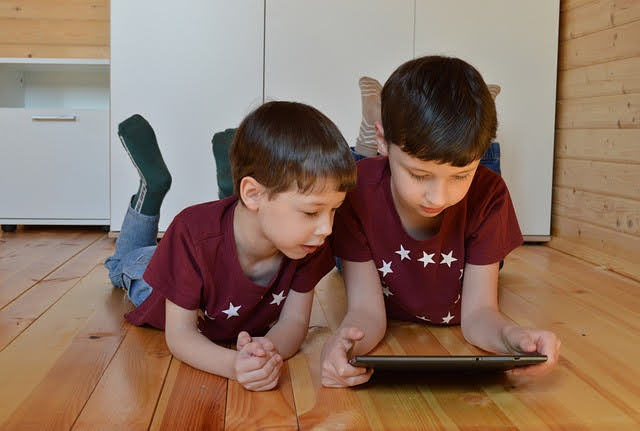
    In the digital age, screens are everywhere. They are our educators, our entertainers, and our connection to the outside world. But for many parents, the glow of the tablet or smartphone has become a source of constant battle.

    “Can I play on the iPad?” “Just five more minutes!”

    If these phrases sound familiar, you are not alone. Managing screen time is one of the top challenges facing modern families. Excessive screen use is often linked to sedentary behavior, sleep disruption, and a lack of social connection. However, technology isn’t the enemy—unmanaged technology is.

    The goal isn’t to ban devices, but to create a healthy relationship with them. Here is your comprehensive strategy for establishing digital boundaries that actually work.


    Part 1: Setting the Foundation

    Before you set rules for the kids, you must establish the culture of the home.

    1. Be the Role Model (The Mirror Effect)

    Children are observant. They don’t do what we say; they do what we do. If you are scrolling through social media during dinner while telling them to put their Switch away, the message gets lost.

    • The Strategy: Model “mindful usage.” Narrate your actions: “I am checking the weather for our trip, and then I am putting my phone away.”

    • The Challenge: Try to keep your own recreational scrolling for after their bedtime. Show them that life happens outside the screen.

    2. Adopt a Flexible Mindset

    There is no “one size fits all” for screen time. A 15-year-old needs different limits than a 5-year-old. Furthermore, some days (like sick days or long travel days) will be screen-heavy. That is okay.

    • The Approach: Be open to adjusting the rules as your children grow and technology evolves. It is about the average balance, not perfection every single day.


    Part 2: Establishing Clear Boundaries

    Ambiguity causes arguments. When the rules are clear, the pushback decreases.

    3. Create “Screen-Free” Zones

    Physical boundaries are easier to enforce than time limits. Designate sanctuaries in your home where devices simply do not go.

    • The Dining Table: Meals are for nourishment and conversation.

    • Bedrooms: Removing devices from bedrooms is the single most effective way to protect your child’s sleep and mental health.

    • Playrooms: Keep these spaces for physical toys, building blocks, and art.

    4. The “Blackout” Schedule

    Just as you schedule soccer practice, schedule offline time.

    • Meal Times: A non-negotiable time for face-to-face connection.

    • The Golden Hour: Establish a rule that screens turn off at least one hour before bedtime. The blue light emitted by screens interferes with melatonin production, making it harder for growing brains to wind down.

    5. Screen Time as a Privilege, Not a Right

    Reframing how access is granted can change the dynamic entirely.

    • The “When/Then” Rule: “When you have finished your homework and chores, Then you can have 30 minutes of tablet time.”

    • The Reward System: Use screen time as a currency. It is a reward for being a responsible member of the household, not a pacifier to keep them quiet.


    Part 3: The Replacement Strategy

    If you take the screens away, you must fill the void with high-quality alternatives.

    6. Combat the Sedentary Lifestyle

    Screens keep us still. To counter this, prioritize movement.

    • The Ratio: Try to match screen time with green time. If they watch a show for 30 minutes, encourage 30 minutes of outdoor play, bike riding, or walking.

    7. Offer “Boredom Busters”

    When a child says “I’m bored” without a device, it is actually a good thing. Boredom is the birthplace of creativity.

    • The Activity Kit: Keep a box of alternative activities ready—puzzles, art supplies, board games, or books.

    • Creative Play: Encourage them to build, draw, or write. The dopamine hit from creating something is far more satisfying long-term than the dopamine hit from a video game.

    8. Prioritize Family Connection

    Screens often replace interaction. Reclaim that time.

    • Intentional Time: Schedule game nights, cooking together, or weekend hikes. When children feel their “attention cup” is filled by their parents, they are less likely to seek constant stimulation from devices.


    Conclusion: It’s About Connection, Not Control

    Managing screen time is a marathon, not a sprint. There will be days when the rules slide, and that is fine.

    The ultimate goal is to teach your children self-regulation. By setting clear limits, modeling healthy habits, and prioritizing real-world connection, you are giving them the tools to navigate the digital world responsibly for the rest of their lives.