

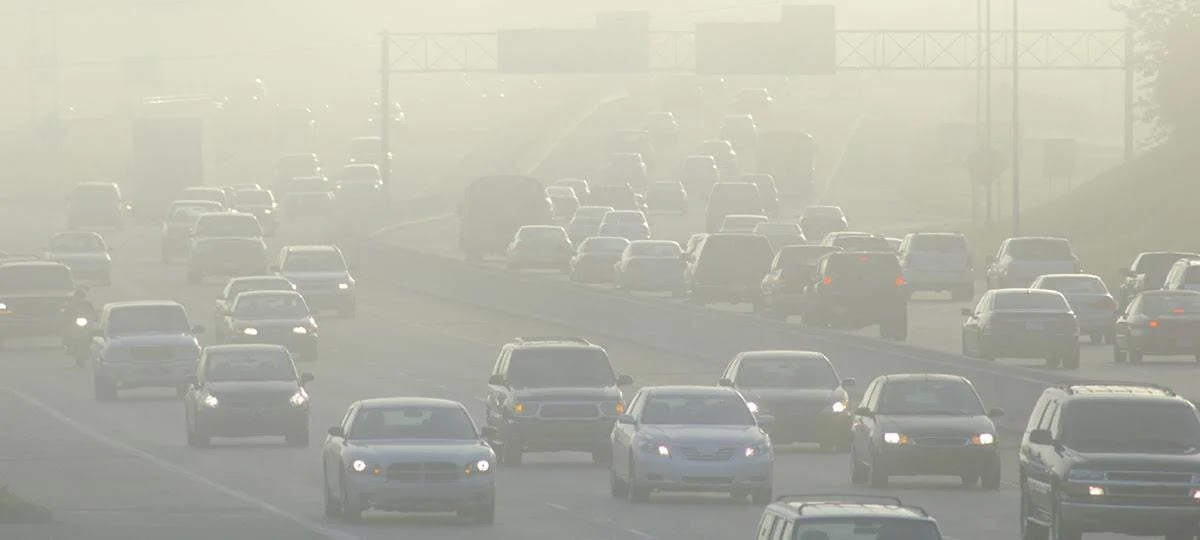
The automobile is perhaps the most defining invention of the 20th century. It reshaped our cities, revolutionized our economies, and granted individuals a level of personal freedom previously unimagined. For many, the car is not just a tool; it is a symbol of independence.
However, this convenience comes at a steep price. As the global fleet of vehicles surpasses one billion, the environmental toll has become undeniable. Cars are a primary driver of climate change, a destroyer of local ecosystems, and a significant hazard to public health.
To create a sustainable future, we must look beyond the steering wheel and understand the full lifecycle impact of our vehicles—and how we can fix it.
Part 1: The Multi-Faceted Environmental Impact
When we think of car pollution, we usually picture exhaust fumes. While that is a major factor, the environmental footprint of a vehicle extends far beyond the tailpipe.
1. Air Pollution: The Breath We Take
Internal combustion engines are chemical reactors that release a cocktail of harmful byproducts.
Greenhouse Gases (GHG): The transportation sector is one of the largest contributors to global carbon emissions. Cars burn fossil fuels to release Carbon Dioxide (CO2), which traps heat in the atmosphere, driving global warming and extreme weather events.
Nitrogen Oxides (NOx) and VOCs: When these react with sunlight, they form ground-level ozone (smog). This smog is a lung irritant that triggers asthma and reduces lung function.
Particulate Matter (PM): Fine particles (PM2.5) from exhaust penetrate deep into the lungs and bloodstream, linked to heart disease and premature death.
2. Water Pollution: The Hidden Runoff
Cars do not just pollute the air; they poison the water. This happens through two primary mechanisms:
Chemical Leaks: Oil, coolant, brake fluid, and transmission fluids often leak onto roadways. When it rains, these toxic substances are washed into storm drains, which frequently empty directly into rivers and oceans without treatment.
The Microplastic Crisis: Recent studies have shown that tire wear is one of the largest sources of microplastics in the ocean. As tires rub against the road, they shed tiny synthetic particles. These wash into waterways, are eaten by marine life, and eventually enter the human food chain.
3. Noise and Light Pollution
Noise: Chronic traffic noise is not just an annoyance; it is a public health hazard. Constant exposure to road noise (above 55 decibels) elevates cortisol levels, leading to hypertension, sleep disturbance, and cardiovascular disease. It also disrupts wildlife communication, affecting the mating and hunting patterns of birds and mammals.
Land Consumption: The infrastructure required for cars—roads, highways, and parking lots—creates “impervious surfaces.” These surfaces prevent rain from soaking into the ground, increasing flood risks and heating up cities (the Urban Heat Island effect).
4. The Lifecycle Cost (Embodied Energy)
A “comprehensive” view must include manufacturing. Before a car is ever driven, it has already generated a massive carbon footprint. Mining the steel, aluminum, and rare earth metals, manufacturing the rubber and glass, and shipping the vehicle globally consumes immense amounts of energy. This is known as “embodied emissions.”
Leave a Reply