

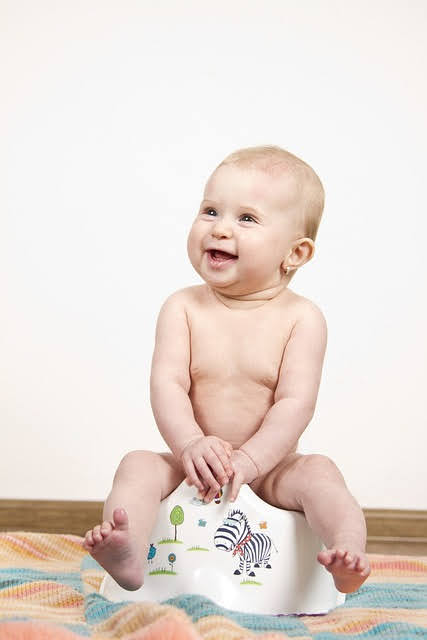
Let’s be honest: few parenting milestones are as dreaded—or as celebrated—as potty training.
It marks the transition from babyhood to “big kid” status. It means the end of diaper bags and changing tables. But getting from Point A (diapers) to Point B (underwear) can feel like navigating a minefield. It is a process often filled with messy accidents, power struggles, and testing patience you didn’t know you had.
However, it doesn’t have to be a nightmare.
With the right mindset and a consistent approach, potty training can actually be a positive bonding experience. Whether you are just buying your first plastic potty or you are deep in the trenches, here is your guide to the Dos and Don’ts of potty training success.
✅ The “Dos”: Strategies That Work
Setting your child up for success starts with the right preparation and attitude. Here is what you should focus on.
1. Do Start at the Right Time
Timing is everything. While there is pressure to start early, rushing the process often backfires.
The Window: Most children show signs of readiness between 18 months and 3 years old.
The Signs: Look for physical and cognitive cues. Can they follow simple instructions? Do they stay dry for longer periods (like during a nap)? Do they hide behind the sofa when they need to go? These are green lights to start.
2. Do Be Patient (and Then Be More Patient)
Potty training is a marathon, not a sprint. It is a complex skill that requires the brain and bladder to communicate perfectly.
Expect a Timeline: It can take several months to a year for a child to be fully independent (especially for night training).
Manage Expectations: There will be good days where they get it perfect, and bad days where it feels like they have forgotten everything. This is normal. Take a deep breath and keep going.
3. Do Encourage Independence
Toddlers love to say, “I do it myself!” Leverage this desire for autonomy.
Dress for Success: Switch to elastic-waist pants or leggings that are easy for small hands to pull up and down.
Ownership: Teach them the whole routine: pulling down pants, sitting, wiping, flushing, and washing hands. Even if it takes longer, letting them do it builds the confidence they need to keep trying.
4. Do Use Positive Reinforcement
Children thrive on praise. The goal is to make the potty associate with “winning.”
The Reward System: Consider using a sticker chart. One sticker for sitting, two for “going.”
Verbal Praise: High-fives, a “potty dance,” or specific verbal praise (“I am so proud of you for listening to your body!”) can be more powerful than candy.
5. Do Make It Fun
If you are stressed, they will be stressed. If you are having fun, they will be interested.
Get the Gear: Let them pick out their own “big kid” underwear featuring their favorite characters.
Entertainment: Keep a stack of special books next to the potty. Sing silly songs about flushing. Turn the experience into a game rather than a chore.
🛑 The “Don’ts”: Pitfalls to Avoid
Even the best-laid plans can go wrong if we fall into these common traps. Avoid these behaviors to keep the process smooth.
1. Don’t Force It
This is the golden rule. Potty training is one of the few things a child has total control over.
The Risk: If you force a child to sit when they aren’t ready or willing, you invite a power struggle. This can lead to them withholding (causing constipation) or refusing the toilet entirely.
The Fix: If they resist strongly, back off for a few weeks and try again later.
2. Don’t Punish Accidents
Accidents are not “bad behavior”—they are part of the learning curve.
The Reaction: Never shame, scold, or punish a child for wetting themselves. This creates anxiety, which makes it harder for their muscles to relax to go to the bathroom.
The Script: Keep it neutral. Say, “Uh oh, it looks like you had an accident. That happens! Let’s clean it up and try to get to the potty faster next time.”
3. Don’t Compare to Others
Your best friend’s kid might have trained in three days. Your neighbor’s kid might be 3 and not interested.
The Reality: Every child’s development is unique. Comparing your child to others will only steal your joy and add unnecessary pressure to your child. Focus entirely on their individual progress.
4. Don’t Use Negative Language
Words matter. How you talk about bodily functions shapes how your child feels about them.
Avoid Shame: Avoid words like “yuck,” “gross,” or “stinky” when dealing with their diaper or the potty. You don’t want them to feel that a natural bodily function is shameful or dirty.
5. Don’t Give Up
There is a difference between “taking a break” and “giving up.”
Consistency is Key: If you decide to start, try to stick with the routine. If you switch back and forth between diapers and underwear randomly, it confuses the child.
Seek Help: If you have been trying for a long time with no progress, or if your child seems physically unable to hold it, consult your pediatrician to rule out any medical issues.
Final Thoughts
Potty training is a major milestone, but it is just a season. The diapers will end eventually.
By focusing on encouragement, maintaining a sense of humor, and following your child’s lead, you can navigate this transition with your sanity intact. Be the calm, consistent guide your child needs, and before you know it, you’ll be celebrating your first diaper-free week!
Leave a Reply