

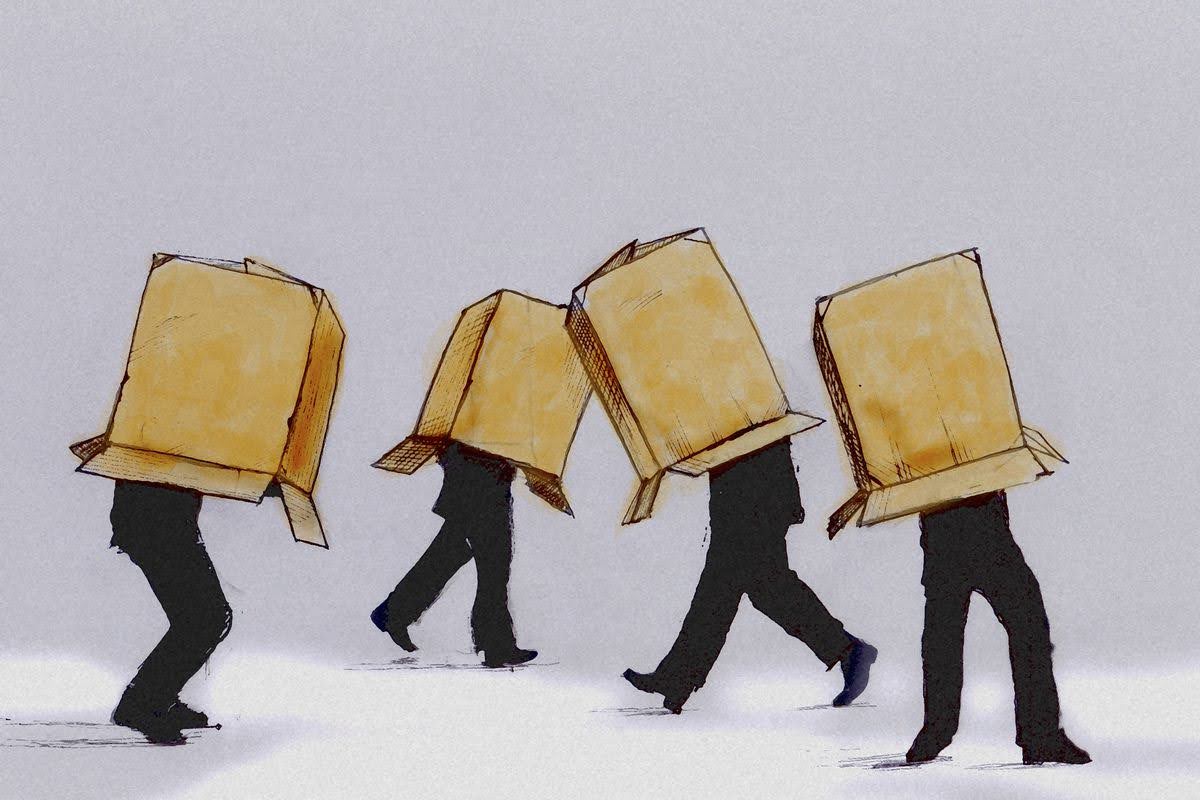
We see the headlines. We feel the heatwaves. We watch the storms intensify. Yet, for many of us, the response to the environmental crisis is… inaction.
It is easy to label this as apathy or selfishness, but the reality is far more complex. Humans aren’t necessarily wired to destroy the planet; we are simply wired to prioritize the immediate over the distant, and the convenient over the difficult.
To save the planet, we first have to understand the human mind. Here is a breakdown of the psychological and systemic barriers preventing environmental action—and how we can break through them.
The 7 Barriers to Action
1. The “Present Bias” (Short-Term Thinking)
Human psychology has a built-in flaw known as “present bias.” We are evolutionarily programmed to prioritize immediate needs (food, safety, comfort) over long-term threats. When the choice is between a convenient plastic bottle now or a cleaner ocean in 50 years, our brains often choose the “now.”
2. The Urban Disconnect
We protect what we love, and we love what we know. As more of the population migrates to concrete jungles, we lose our physical connection to nature. It is difficult to feel the urgency of deforestation when your daily life is surrounded by skyscrapers, not trees.
3. The “Drop in the Ocean” Syndrome
Lack of awareness plays a huge role. Many people simply do not understand the interconnectedness of ecosystems. Others feel paralyzed by the scale of the problem, believing their individual recycling habits won’t make a dent against massive industrial pollution.
4. The Convenience Trap
Let’s be honest: being green is often harder. Taking public transit takes longer than driving. Avoiding plastic requires planning. When the sustainable choice is the “inconvenient” choice, it feels like a burden rather than a solution.
5. The Misinformation Age
We live in an era of conflicting narratives. From climate denialism to exaggerated claims, the public is bombarded with mixed messages. When people don’t trust the science—or believe the problems are overblown—they disengage.
6. Economic and Political Interests
We cannot ignore the macro factors. Powerful industries often profit from environmental degradation. When economic systems reward pollution, and political systems are slow to regulate, individuals feel powerless to enact change.
7. The Ego Factor
Ultimately, humans often prioritize self-interest. Whether it is financial gain or personal comfort, the “me” often outweighs the “we.”
The Path Forward: Rewiring Our Approach
So, are we doomed? Absolutely not. But we need a new strategy. Shaming people doesn’t work; making sustainability easier does.
1. Education & Connection
We must rebuild the bridge between humans and nature. This means supporting media campaigns that show the reality of climate change, and education systems that teach ecological literacy from a young age.
2. Systemic Solutions
We cannot rely on willpower alone. We need practical alternatives.
Make it Easy: Green choices should be the default, not the alternative. (e.g., affordable EVs, reliable public transit).
Policy Change: We must address the economic drivers by supporting policies that hold polluters accountable and incentivize clean energy.
3. Collective Action
We need to shift the narrative from “individual sacrifice” to “collective gain.” By working together—governments, corporations, and individuals—we can create a world where protecting the environment isn’t a burden, but a shared path to a better life.
Leave a Reply