
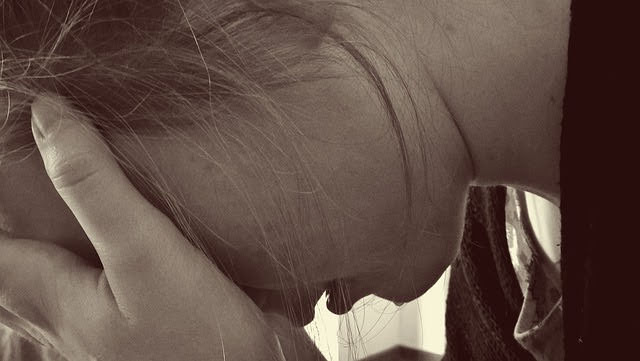
Pregnancy loss is a heartbreak that is often suffered in silence. It is not just the loss of a pregnancy; it is the loss of a future, a dream, and a child you were already getting to know in your heart.
If you are reading this right now because you are walking through this valley, please know this: Your pain is valid. Your loss is real. And you are not alone.
Recovering from pregnancy loss is a journey that encompasses the physical, the emotional, and the mental. While there is no “right” way to get through this, having a roadmap can help you navigate the hardest days.
A quick note: This article is for general information and isn’t medical advice. Every pregnancy is different. Talk to your doctor or midwife about your own situation, and get urgent medical help if something feels wrong. Read our disclaimer.
Last reviewed: November 2026. Checked against guidance from ACOG and the NHS. See sources.
1. Honoring Your Grief: The Emotional Landscape
Society often expects women to “bounce back” quickly after a miscarriage or stillbirth, but grief does not work on a schedule. It is important to understand that what you are feeling is a natural reaction to trauma.
The Waves of Grief: You may feel fine one moment and completely overwhelmed the next. This is normal. Grief is not linear; it comes in waves.
The Range of Emotions: You might expect sadness, but you may also feel anger, jealousy (especially toward other pregnant women), numbness, or confusion.
Name Your Loss: Some find healing in naming their baby or creating a small ritual to say goodbye. Others prefer to grieve privately and quietly. Do what feels right for you, not what others expect of you.
2. The Physical Reality: Caring for Your Body
While your heart is hurting, your body is also recovering from a significant medical event. The sudden drop in hormones can intensify your emotional state, making self-care non-negotiable.
Rest is Productive: Your body needs energy to heal. Allow yourself to sleep more than usual. If you can, take time off work. The NHS suggests resting if you need to, taking paracetamol for pain, and not having sex until your miscarriage symptoms have gone because of the risk of infection (NHS).
Nourishment: When you are grieving, eating might be the last thing on your mind. Try to have small, regular meals and snacks you can face, and drink enough fluids.
Follow Medical Advice: Adhere strictly to your doctor’s guidelines regarding physical activity and medication. Avoid strenuous activities until you are physically cleared, even if you feel “fine.”
Know the warning signs: Call your doctor straight away if you have heavy bleeding (soaking through more than two thick pads an hour for more than 2 hours in a row), fever, chills or severe pain (ACOG).
3. Releasing the Weight of Guilt
Perhaps the most common—and most destructive—emotion after pregnancy loss is guilt. The question “Did I do something to cause this?” haunts many parents.
Let us be very clear:
Did you stress too much? No.
Did you work, exercise or have an argument? No.
Did you have that one cup of coffee? No. (The NHS advises keeping caffeine under 200mg a day in pregnancy, about two cups of instant coffee. One cup did not cause this.)
About half of early miscarriages happen because the embryo did not develop properly, often because of an abnormal number of chromosomes, and in almost every case miscarriage is not the woman’s fault (ACOG). Often no cause is ever found (NHS). It is not a result of your actions. This was not your fault.
4. Building a Sanctuary of Support
Isolation is the enemy of healing. While you may want to hide from the world, connecting with others is vital.
Select Your Circle: You don’t have to tell everyone. Choose a few safe, empathetic friends or family members who can listen without trying to “fix” it.
Find Your Tribe: There is immense power in speaking to women who have been there. Look for local support groups or reputable online communities (like Share Pregnancy & Infant Loss Support, which ACOG lists, or the Miscarriage Association and Tommy’s, which the NHS lists).
Professional Therapy: If the grief feels suffocating or you are experiencing symptoms of depression or PTSD (flashbacks, nightmares), seeking a therapist who specializes in fertility and loss can provide you with coping mechanisms to process the trauma. In India, you can call the free government Tele MANAS mental health helpline on 14416 or 1-800-891-4416, which offers support in 20 languages (PIB).
5. A Note on Partners
Pregnancy loss affects partners, too, though often in different ways.
Different Grieving Styles: You might need to talk about it constantly, while your partner might bury themselves in work or distraction. This doesn’t mean they aren’t grieving; they are just processing differently.
Communicate Needs: Be open about what you need from each other. It is okay to say, “I just need you to sit with me and not try to cheer me up.”
6. Looking to the Future
Eventually, the question of “what next?” will arise. For some, the desire to try again is immediate. For others, the thought is terrifying.
There is No Rush: Your body and heart need time. Do not feel pressured to “replace” the pregnancy.
Consult Your Doctor: When you are ready, have a frank discussion with your healthcare provider about when it is physically safe to conceive again. The NHS says you can try again when you feel ready, after your symptoms have gone; your period may take up to 8 weeks to come back. Most women who have had a miscarriage go on to have a successful pregnancy, and if you have had 3 or more miscarriages, ask your doctor about tests (NHS).
Pregnancy After Loss: Be prepared that a subsequent pregnancy may feel different. It is normal to feel anxious rather than purely excited. That is okay, too.
Conclusion
Be patient with yourself. There is no deadline for healing. Some days will be harder than others, but slowly, the sharp edges of grief will soften. You will survive this, and you will find your footing again.
Take it one breath, one hour, and one day at a time.
Sources
We checked this article against these official and expert sources. Links were checked on 1 November 2026.
- ACOG (American College of Obstetricians and Gynecologists). Early Pregnancy Loss
- NHS. Miscarriage
- NHS. Foods to avoid in pregnancy
- Press Information Bureau, Government of India. Tele MANAS helpline (14416 / 1-800-891-4416)
Last reviewed: November 2026. This article is for general information and isn’t medical advice. Always talk to your doctor about your own situation.
Leave a Reply