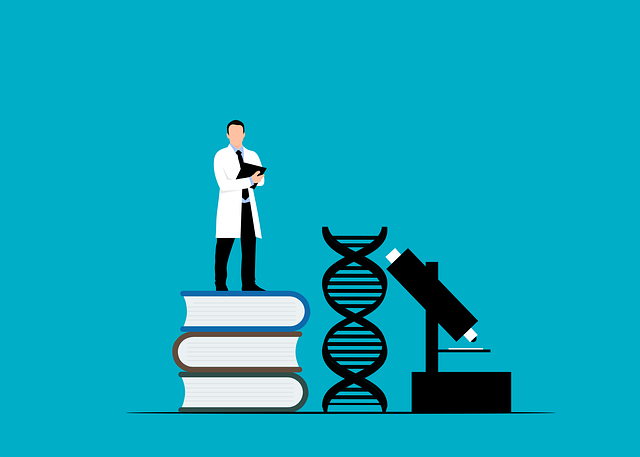
Heredity is often the “elephant in the room” regarding child health. We focus on the things we can see—diet, sleep, screen time—but we often ignore the invisible code written into our children’s cells.
A quick note: This article is for general information and isn’t medical advice. Every child is different. Talk to your child’s paediatrician or doctor about your own situation, and get urgent medical help if something feels wrong. Read our disclaimer.
Last reviewed: November 2026. Checked against guidance from the NIH, MedlinePlus and the NHS. See sources.
Understanding heredity isn’t about predicting the future; it’s about preparing for it. Here is your guide to navigating the complex world of genetics.
The Definitions You Need to Know
- DNA: The chemical building blocks of life.
- Gene: The basic unit of heredity, made up of DNA. Many genes carry instructions for making proteins the body needs (MedlinePlus).
- Chromosome: The structure that holds the genes. (Humans usually have 23 pairs, or 46 chromosomes in total, with one of each pair coming from each parent, NHGRI).
- Genetic Predisposition: An increased likelihood of developing a disease based on your genetic makeup.
The Reality of Genetic Disorders
Genetic disorders are caused by abnormalities in the DNA. They generally fall into three categories:
- Single Gene Inheritance: (e.g., Cystic Fibrosis)
- Chromosomal Abnormalities: (e.g., Down Syndrome)
- Multifactorial Inheritance: A combination of genes and environment (e.g., Heart disease, Diabetes).
The Parent’s Action Plan
Don’t leave your child’s health to chance. Here is how to be proactive.
📋 Step 1: Compile a Medical Family Tree
Don’t just rely on memory. Write it down. Track conditions like cancer, heart disease, mental health struggles, and autoimmune disorders. A complete family health history covers three generations of relatives (MedlinePlus). A family history does not mean your child will definitely get a condition, and no family history does not rule it out.
🧪 Step 2: Assess the Need for Testing
If you see a pattern in your family tree, talk to your paediatrician. Genetic tests are mainly used to diagnose rare and inherited conditions, and you may be offered one if someone in the family has a condition caused by gene changes; a genetic counsellor can help you understand what a result would mean (NHS). For some conditions, finding out early allows earlier care.
🥗 Step 3: The “Epigenetic” Shift
Research shows that environmental influences, such as diet and exposure to pollutants, can affect the epigenome, the chemical tags that help switch genes on and off (MedlinePlus). Your genes are not your destiny, and everyday habits still matter.
- Focus on: A varied diet with plenty of fruit, vegetables and whole grains, regular physical activity, and avoiding environmental pollutants (like smoke or pesticides).
🗣️ Step 4: Empower Your Child
Knowledge is power. When they are old enough, share their health history with them. A child who knows they have a genetic risk for skin cancer will be more likely to wear sunscreen as an adult.
Sources
We checked this article against these official and expert sources. Links were checked on 1 November 2026.
- National Human Genome Research Institute (NIH). Chromosomes Fact Sheet
- MedlinePlus Genetics (US National Library of Medicine). What is a gene?
- MedlinePlus Genetics (US National Library of Medicine). Why is it important to know my family health history?
- NHS. Genetic and genomic testing
- MedlinePlus Genetics (US National Library of Medicine). What is epigenetics?
Last reviewed: November 2026. This article is for general information and isn’t medical advice. Always talk to your doctor about your own situation.
Leave a Reply