
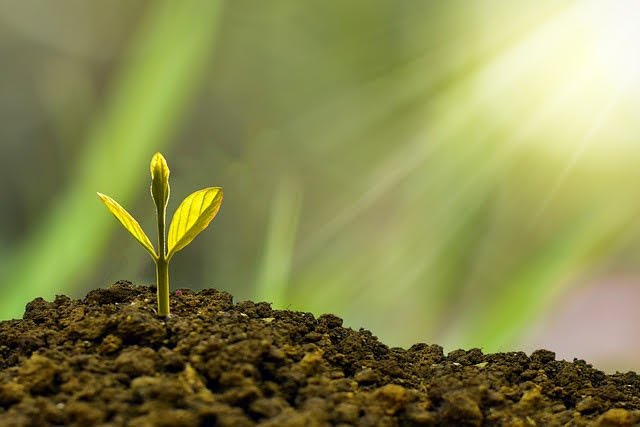
Developing a growth mindset in children is an essential aspect of their personal and academic growth. A growth mindset is the belief that abilities and intelligence can be developed through hard work, dedication, and perseverance. Children with a growth mindset tend to be more resilient, confident, and motivated to learn and grow, while those with a fixed mindset may struggle with challenges and give up easily.
What Is a Growth Mindset?
A child with a growth mindset believes they can get better at things with practice. A child with a fixed mindset believes ability is something you either have or don’t. The good news is that mindset is learned, and parents shape it every day through the words they use and the effort they praise.
10 Ways to Build a Growth Mindset in Children
1. Encourage Effort over Ability
Children need to understand that success is not based on innate talent, but on effort and hard work. Encourage your child to focus on putting in effort and making progress, rather than on their innate abilities.
2. Celebrate Progress
Celebrating small victories and progress is a key aspect of developing a growth mindset. Encourage your child to celebrate their progress and acknowledge their hard work, even when they face setbacks.
3. Embrace Challenges
Challenges are an essential part of developing a growth mindset, as they provide opportunities for growth and learning. Encourage your child to embrace challenges and see them as opportunities for growth and learning.
4. Teach Them to Embrace Failure
Failure is an inevitable part of the learning process, and it’s essential to teach children to embrace it as a necessary step towards growth. Encourage your child to learn from their mistakes, reflect on their experience, and use it to improve their skills.
5. Encourage a Love of Learning
A love of learning is a crucial aspect of developing a growth mindset. Encourage your child to be curious, ask questions, and explore new ideas and concepts.
6. Foster a Positive Classroom Environment
A positive classroom environment is critical for developing a growth mindset. Encourage teachers to focus on effort and progress, rather than on innate abilities, and create an environment that is supportive, inclusive, and promotes growth and learning.
7. Provide Opportunities for Growth
Providing opportunities for growth and learning is another critical aspect of developing a growth mindset. Encourage your child to try new things, set goals, and work towards them, and provide them with the resources and support they need to succeed.
8. Promote a Growth Mindset at Home
Promoting a growth mindset at home is an essential aspect of its development. Encourage your child to take on new challenges, embrace failure, and celebrate their progress, and model a growth mindset in your own actions and attitudes.
9. Teach Them to Set Realistic Goals
Setting goals is a critical aspect of developing a growth mindset, and it’s important to teach children to set realistic goals. Encourage your child to set achievable goals, break them down into smaller steps, and work towards them consistently.
10. Encourage a Positive Self-Image
Encouraging a positive self-image is another critical aspect of developing a growth mindset. Teach your child to focus on their strengths and accomplishments, and encourage them to view their abilities as something they can grow and develop over time.
Growth Mindset Phrases to Try at Home
- Instead of “You’re so smart”, try “You worked really hard on that.”
- Instead of “I’m bad at maths”, try “I’m still learning this.”
- Instead of “This is too hard”, try “This might take a bit more time and practice.”
- Instead of “I made a mistake”, try “Mistakes help my brain grow.”
The Bottom Line
In conclusion, developing a growth mindset in children is an essential aspect of their personal and academic growth. From embracing challenges and teaching them to embrace failure to encouraging a love of learning and promoting a growth mindset at home, there are many ways to help your child develop a growth mindset and set the stage for a lifetime of learning and growth.
Leave a Reply